OUR APPROACH

OUR
APPROACH

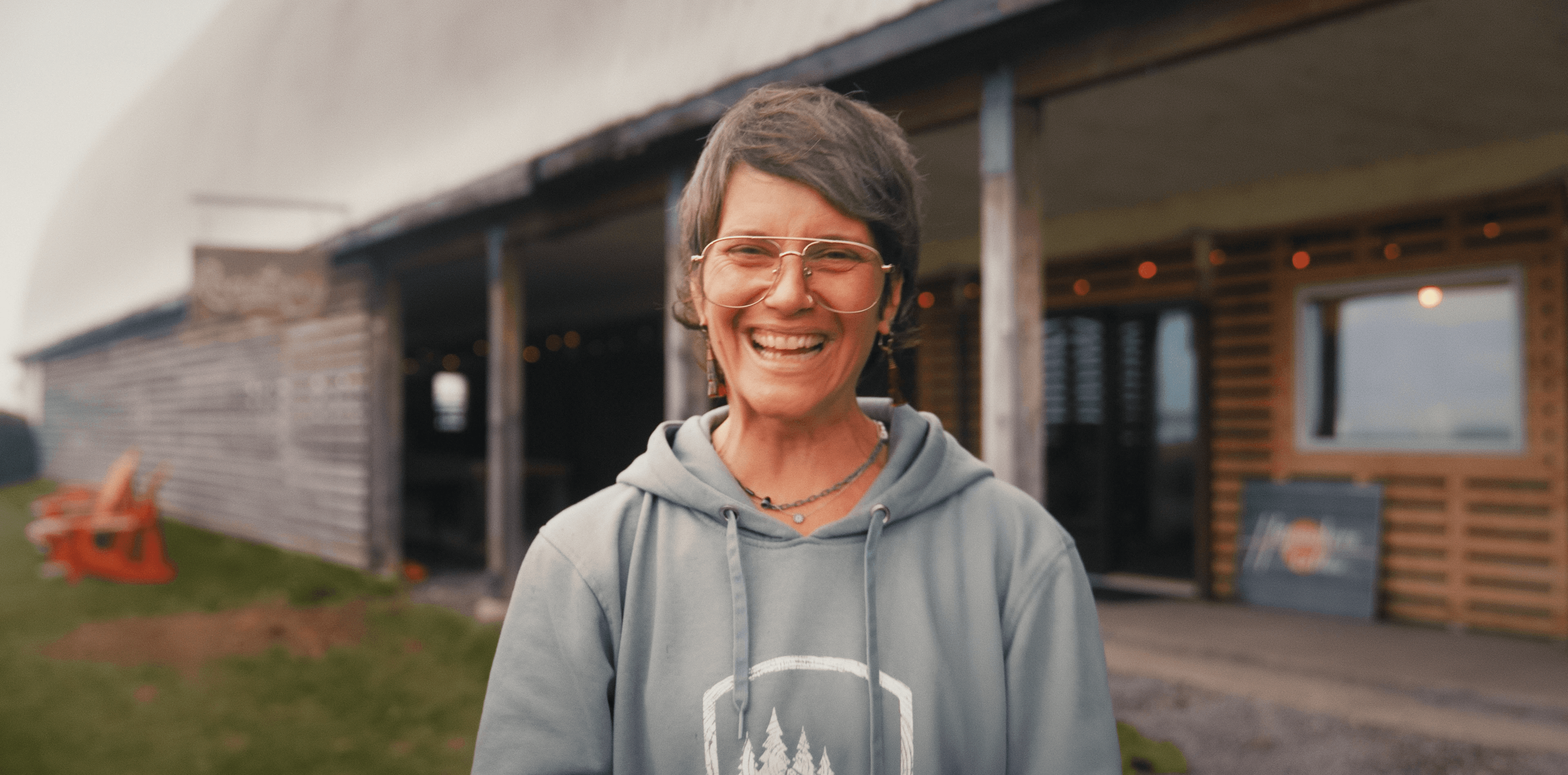
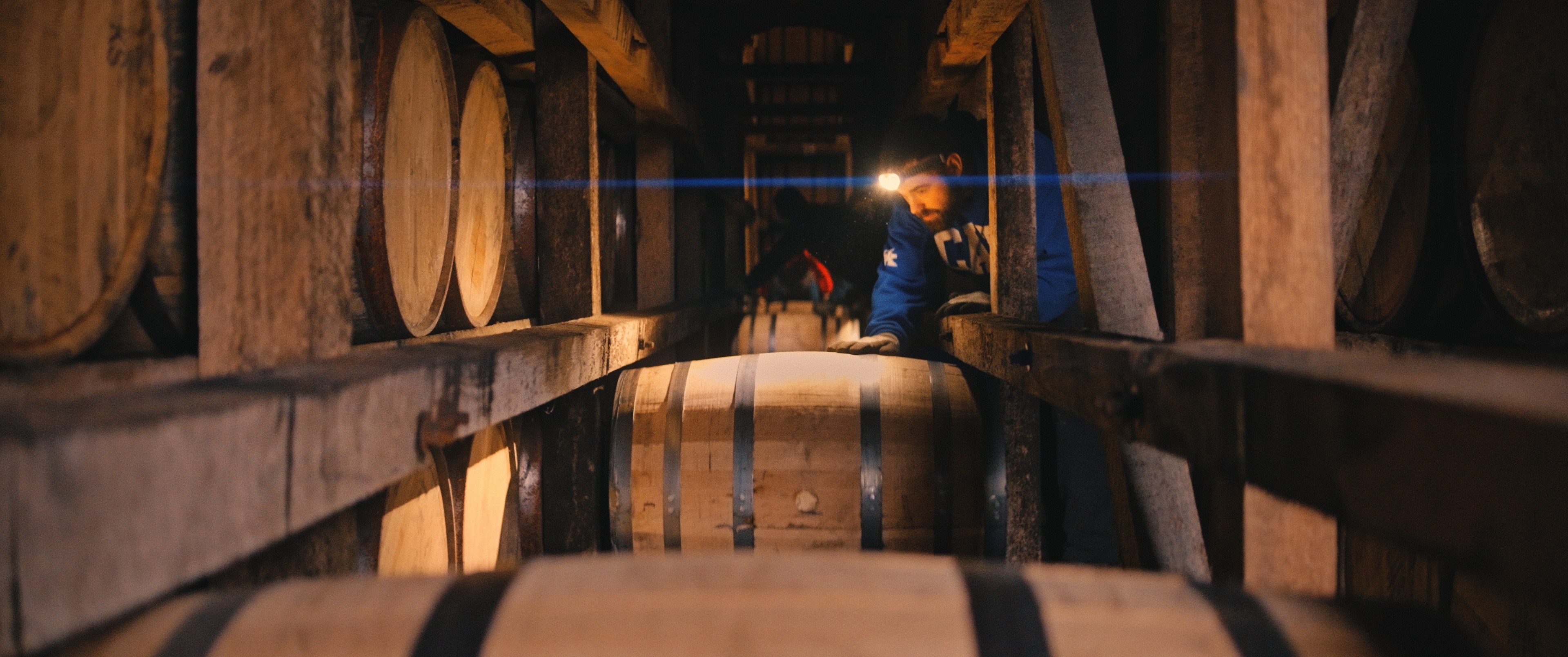
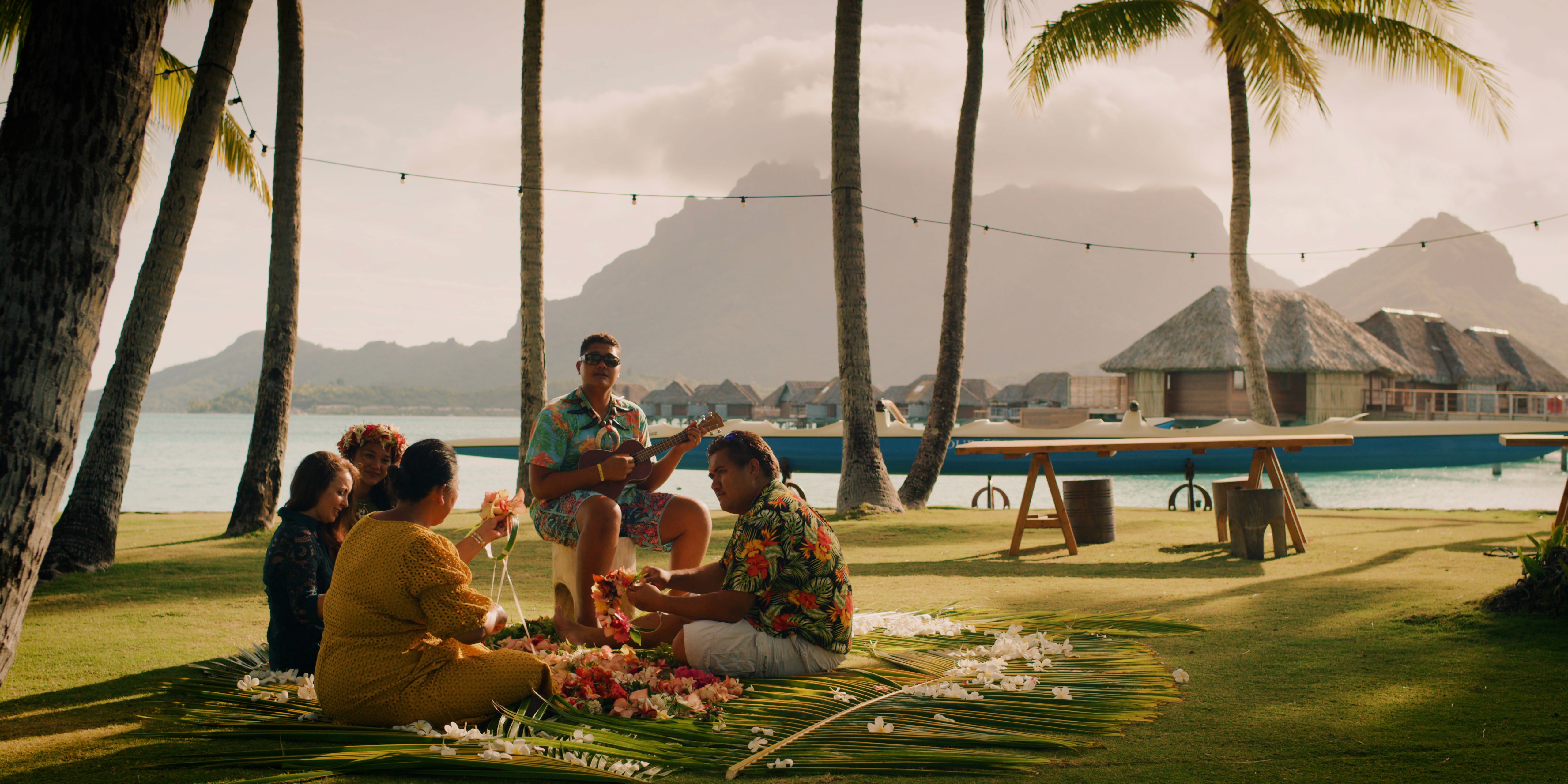
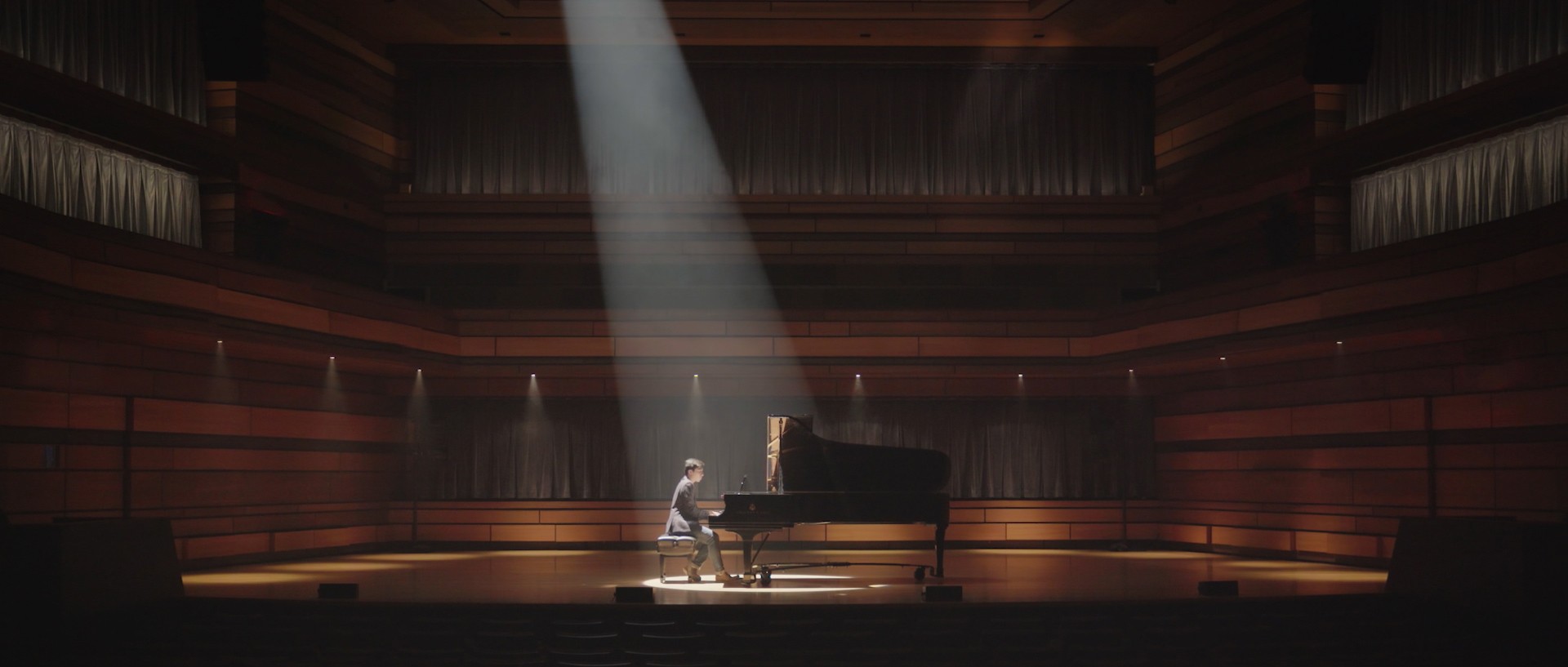
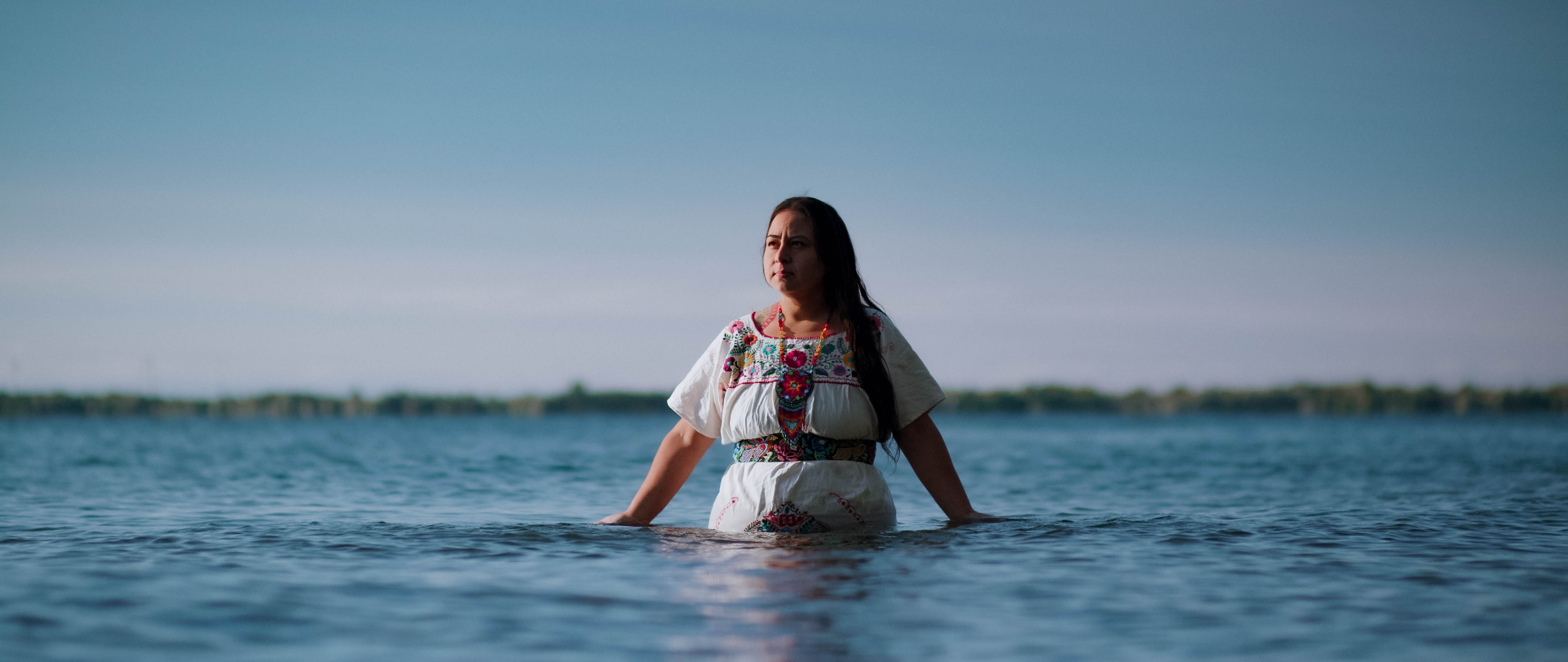
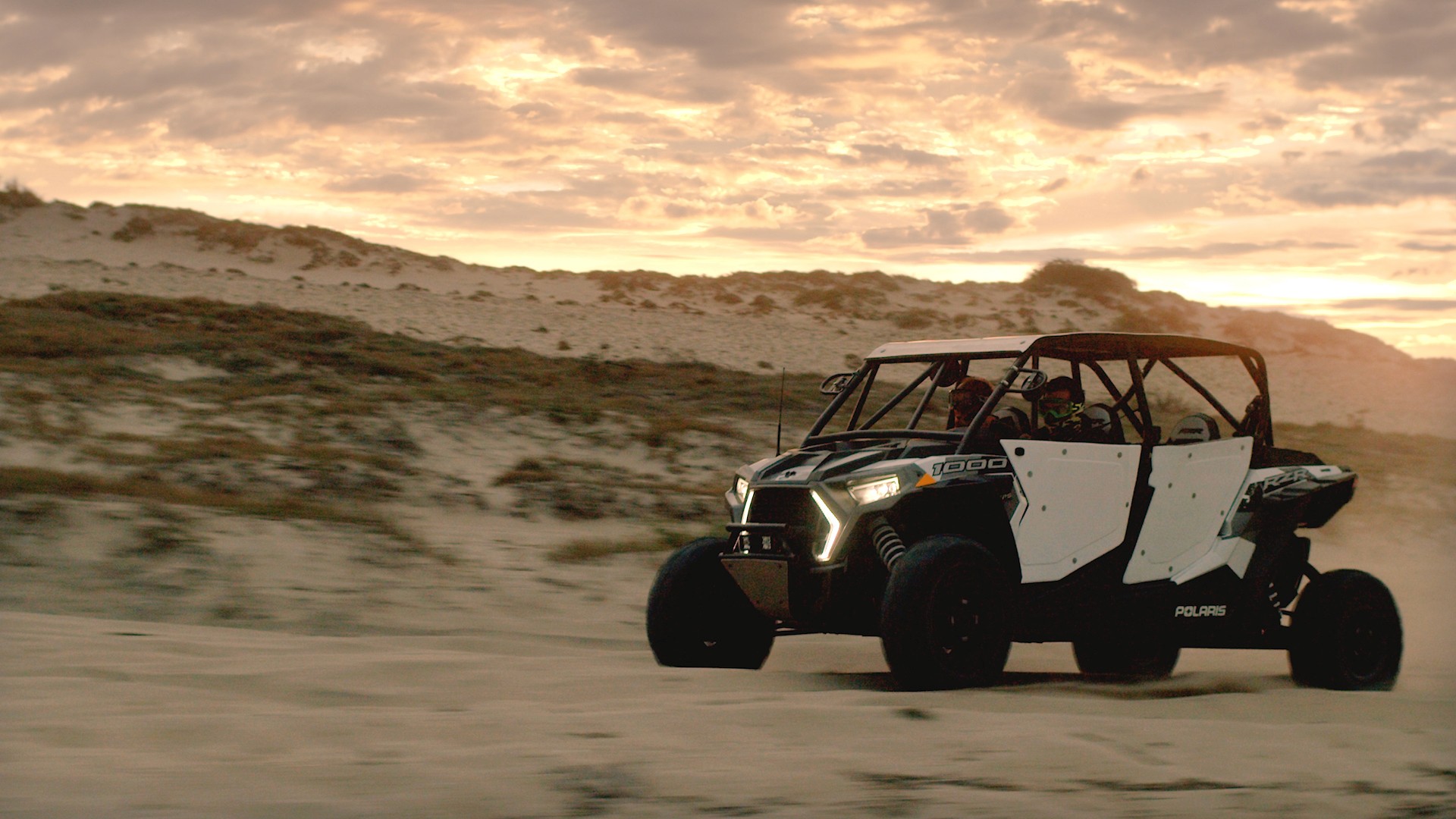
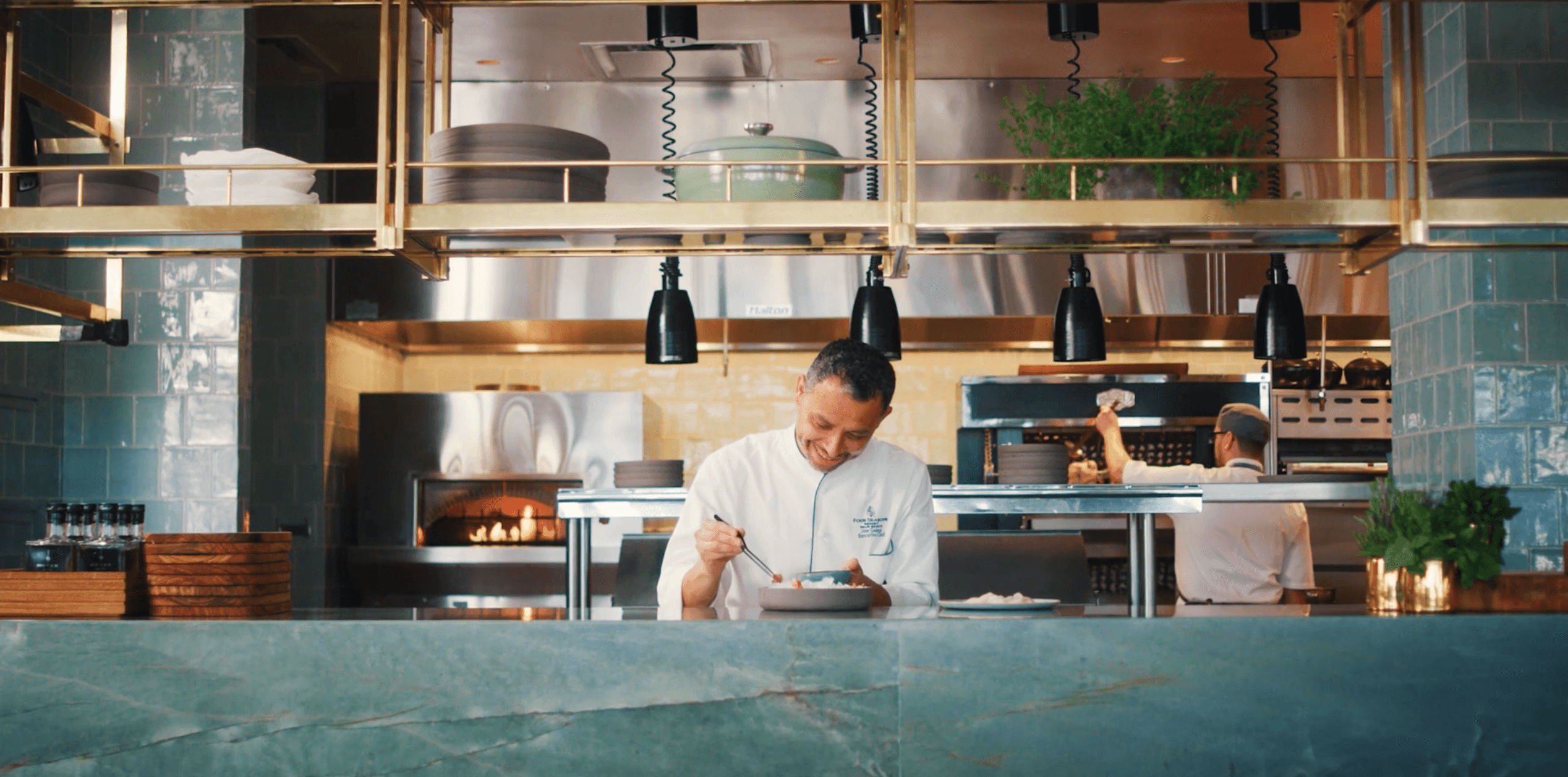
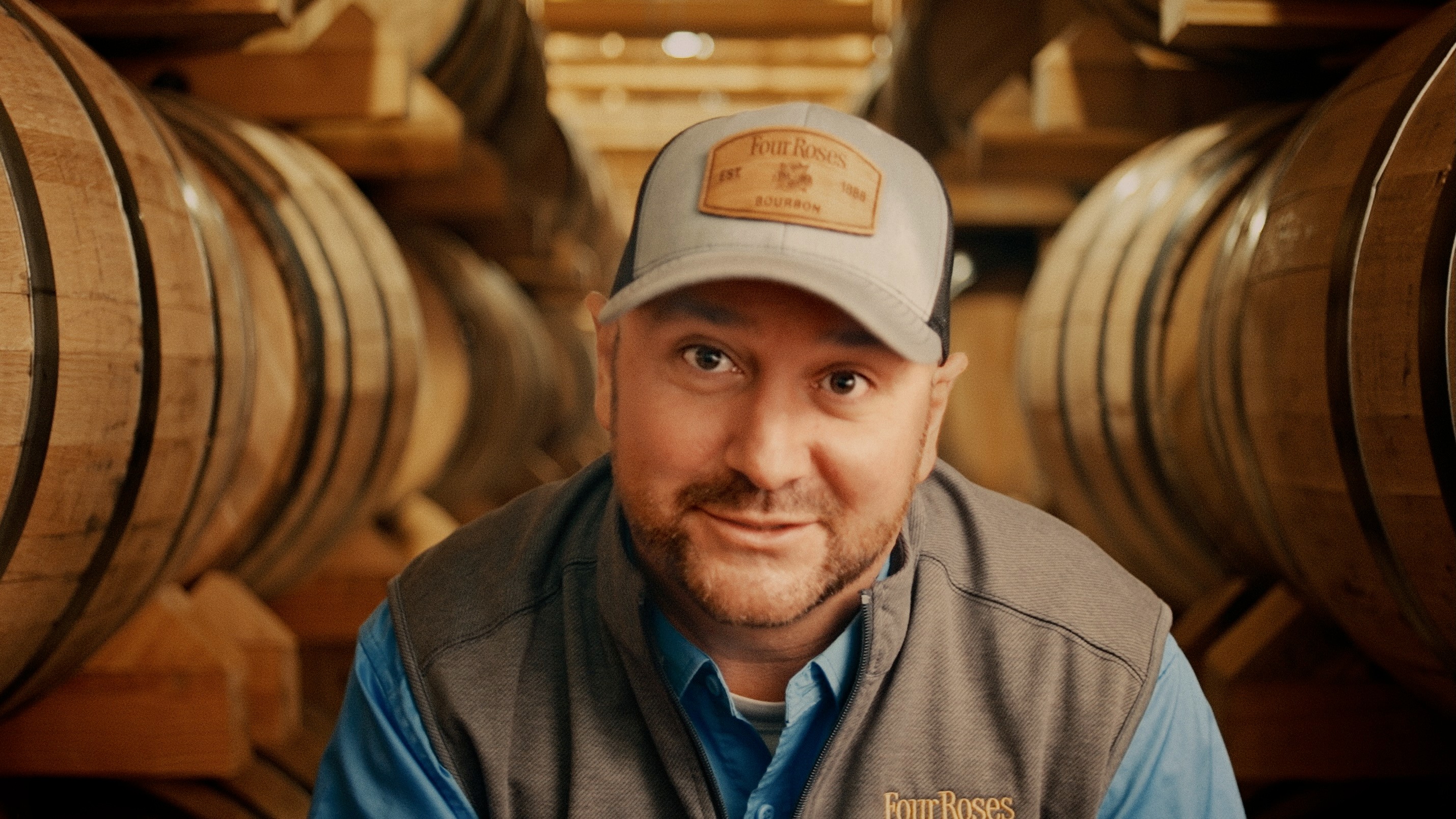
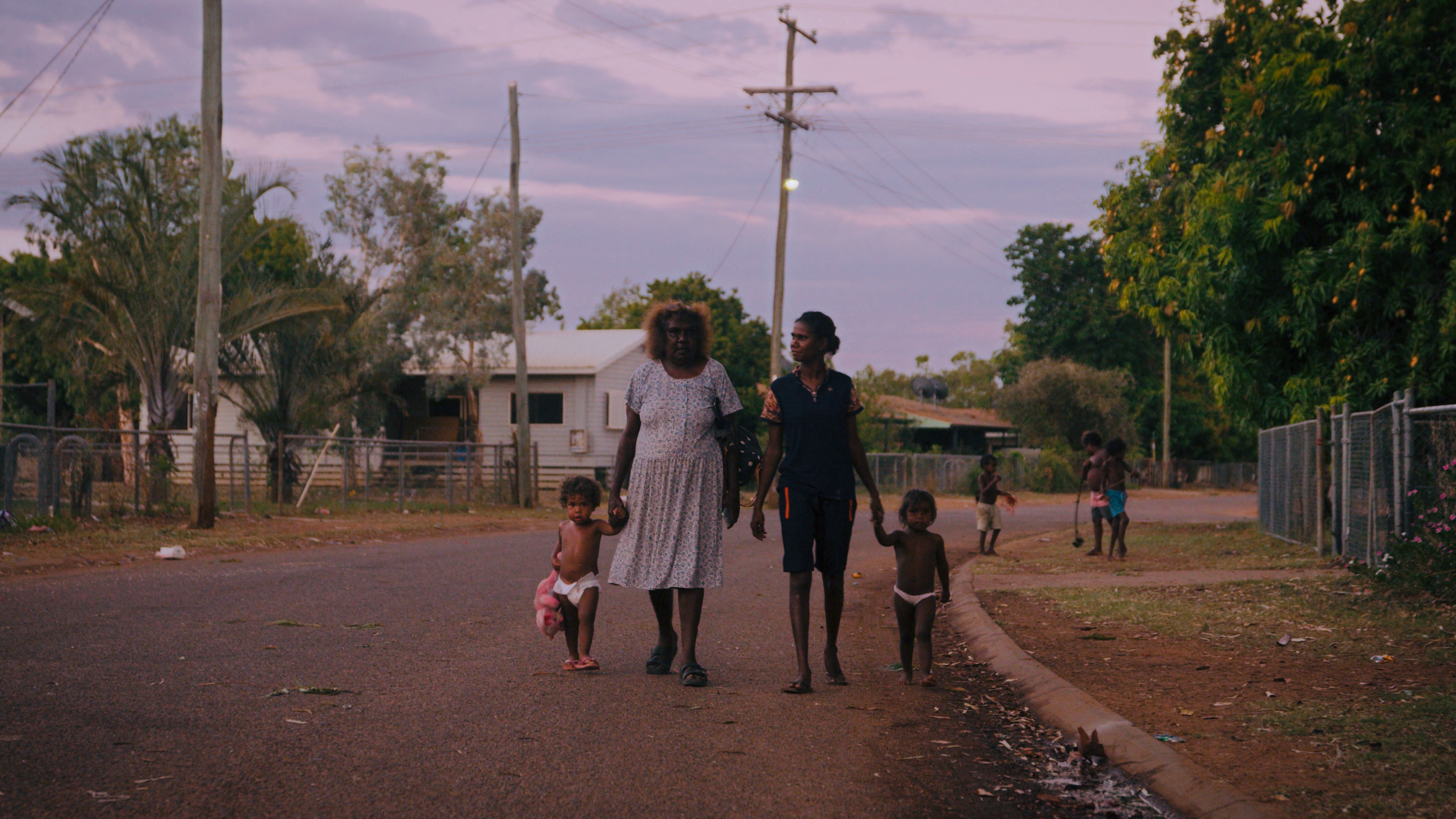
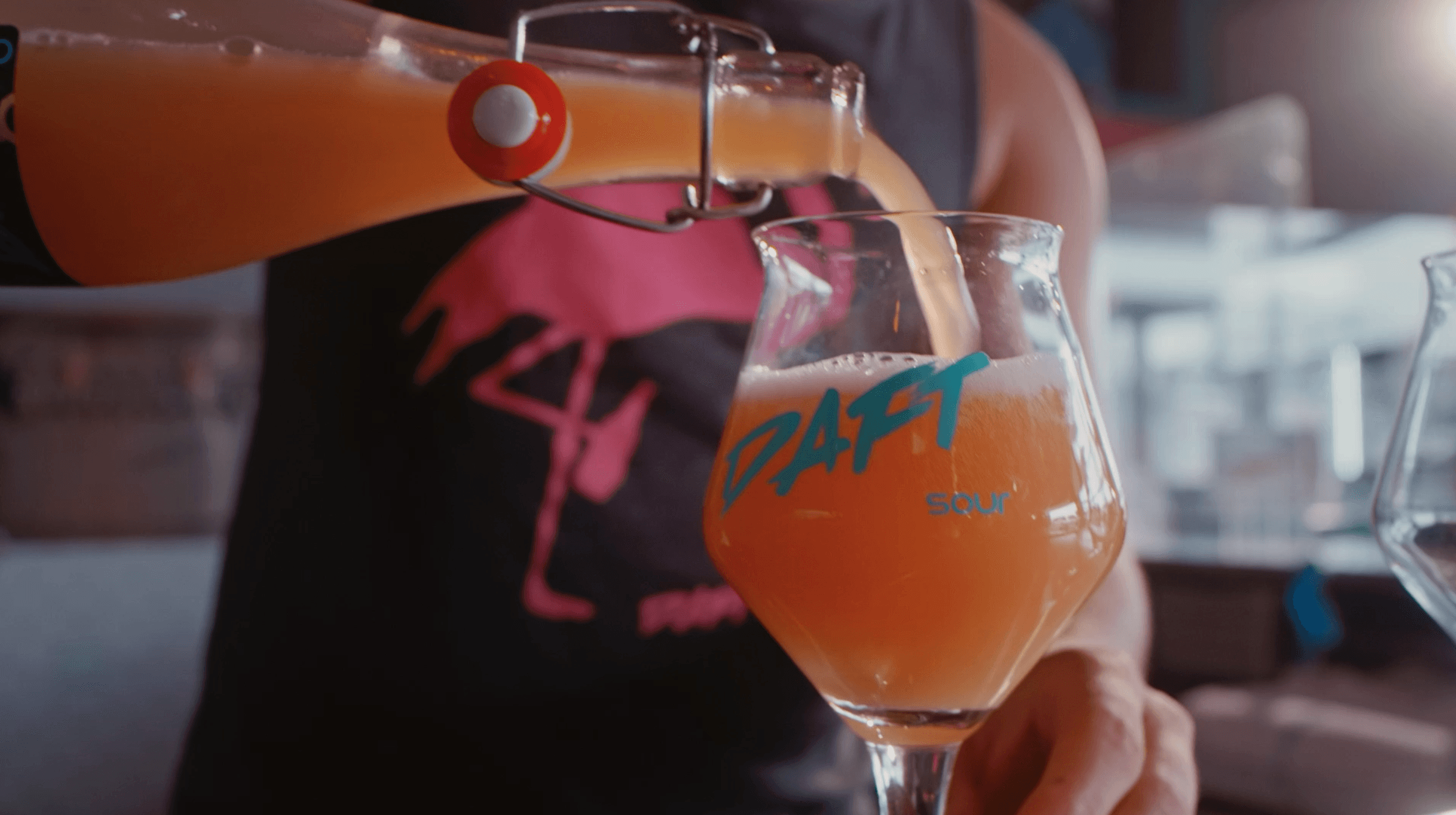
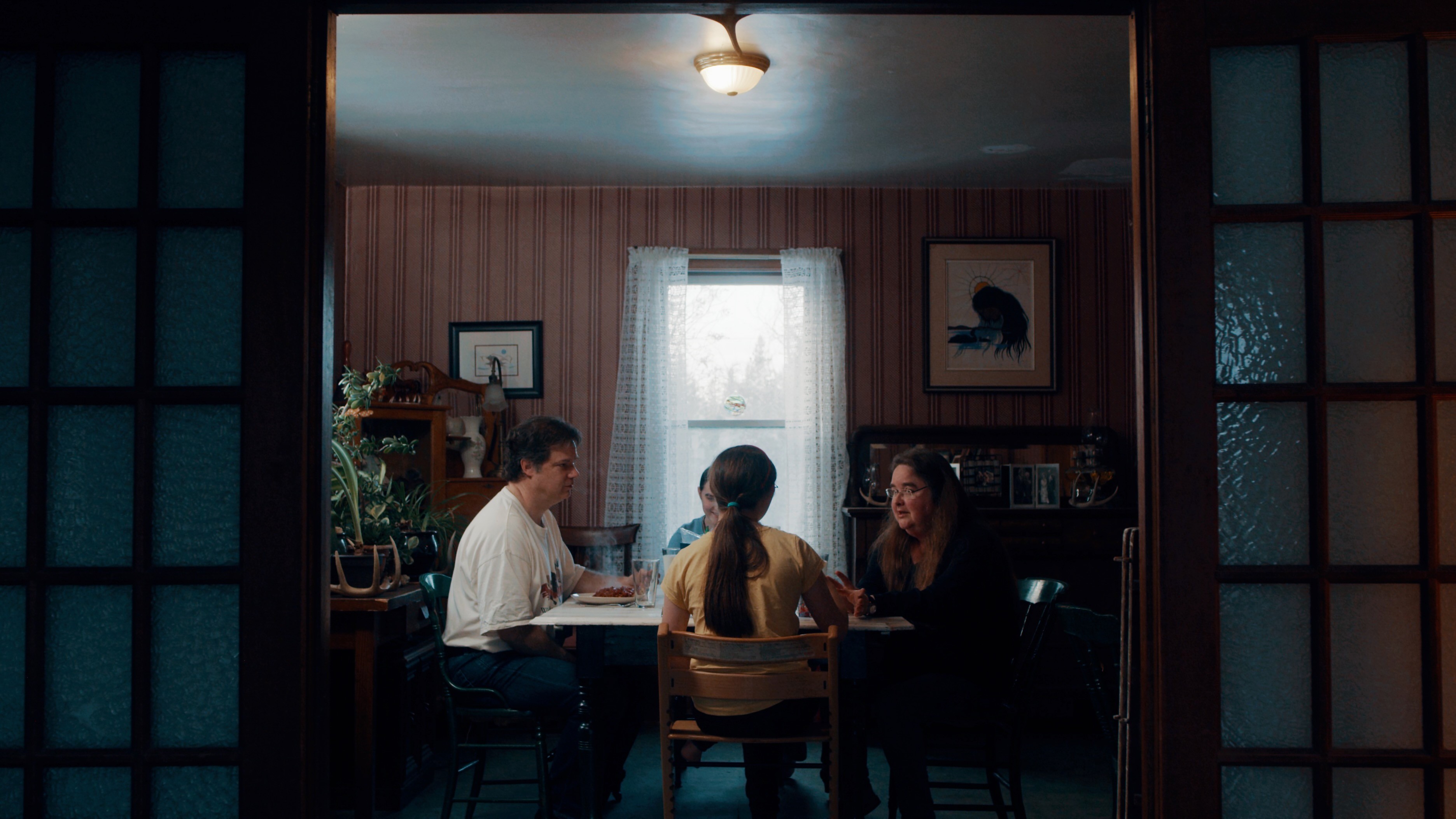
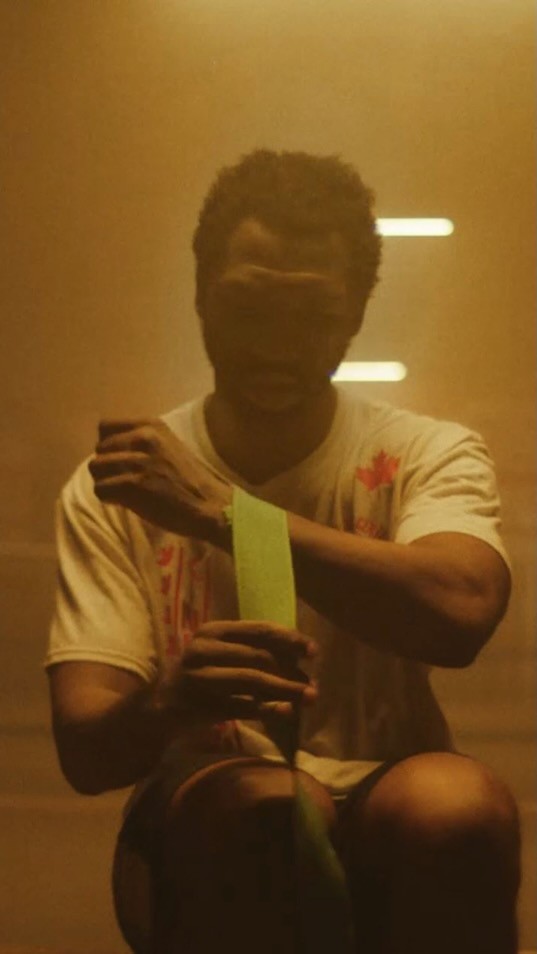
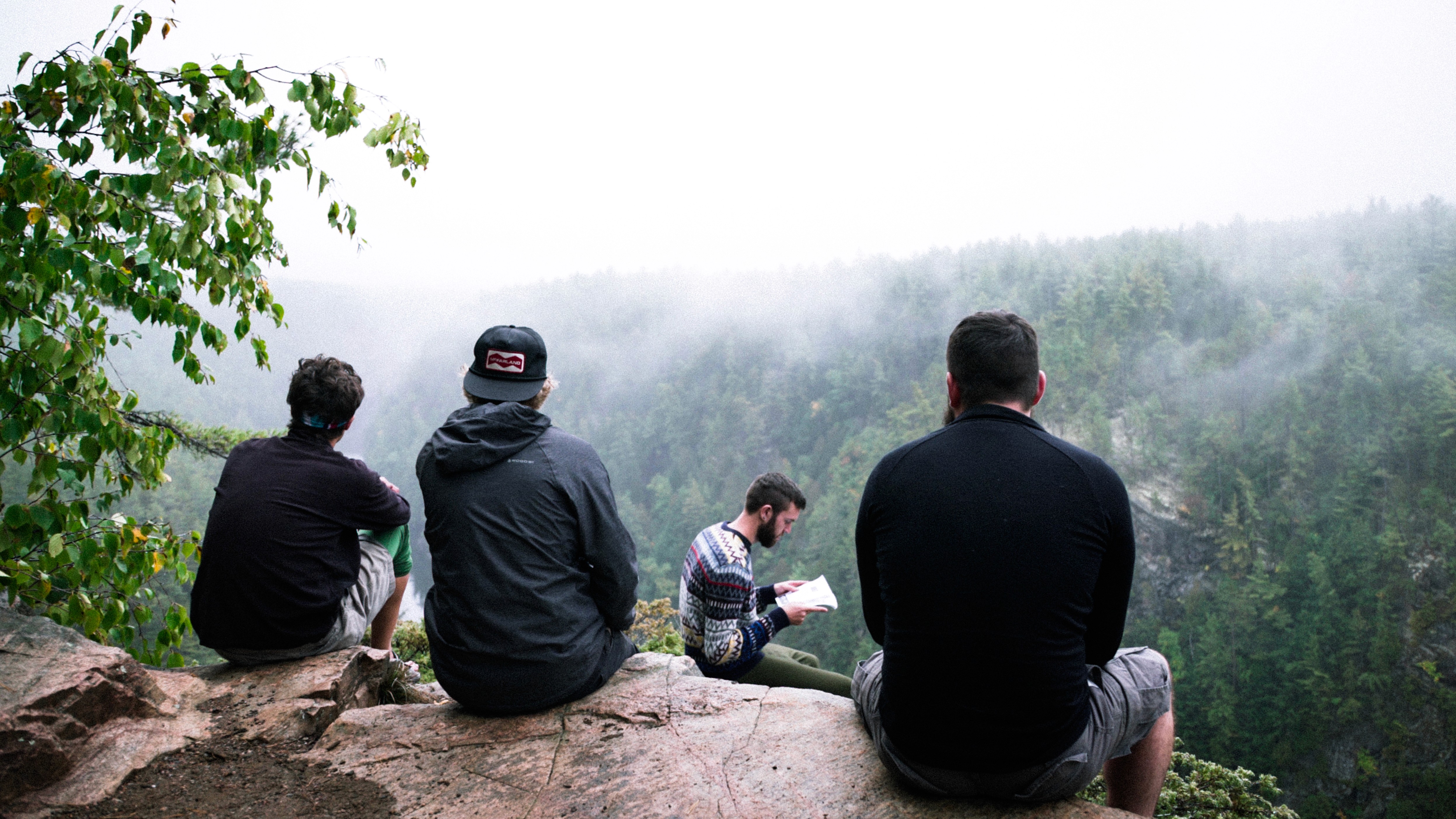
We tell documentary and non-fiction stories where the character is found, not scripted. Where the audience sees something specific enough to believe and human enough to remember.

We built our studio around three disciplines that make this possible. Every project runs through all three. None of them is negotiable.
JOURNALISM

SCIENCE OF STORYTELLING

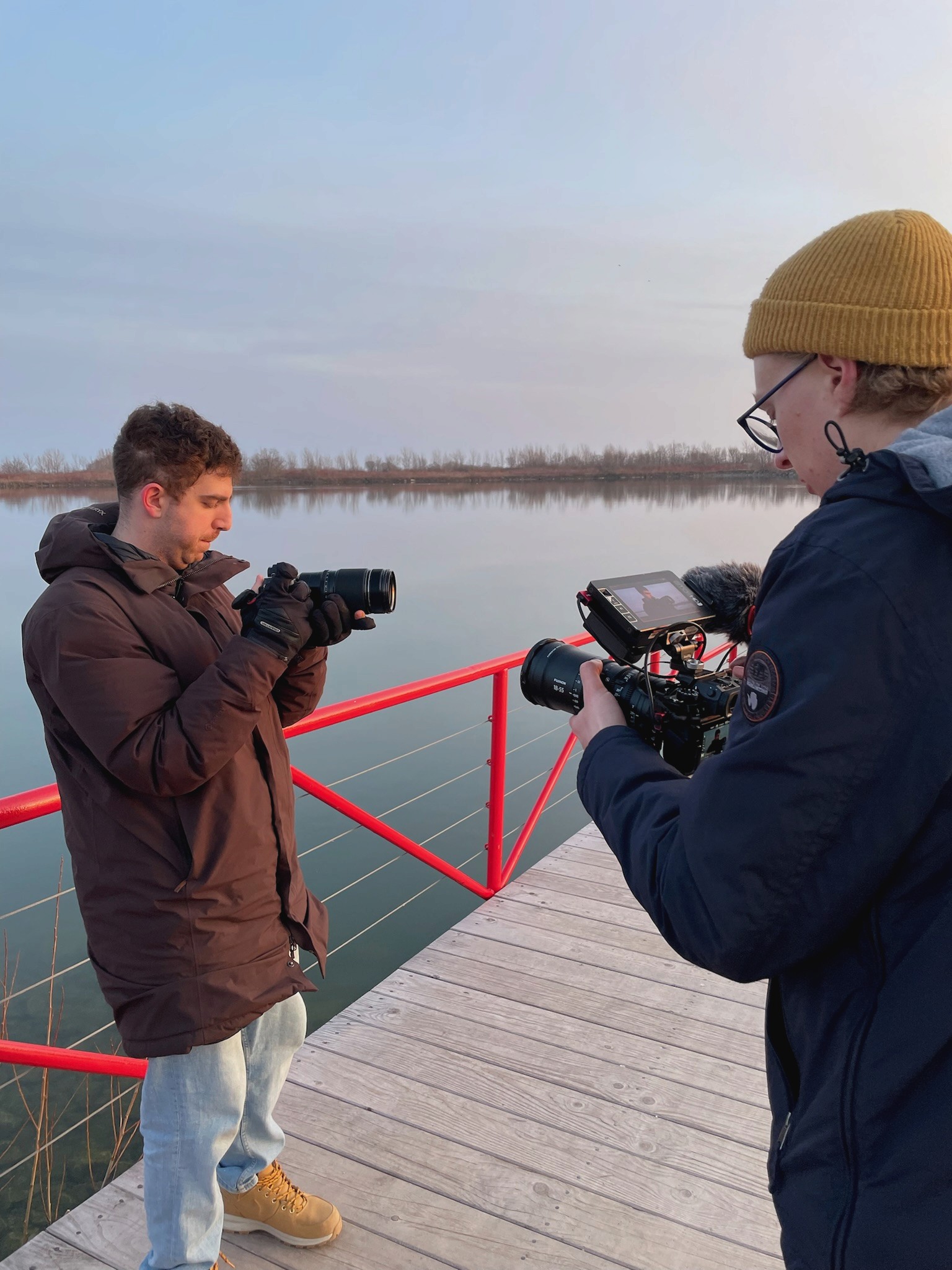
FILMMAKING

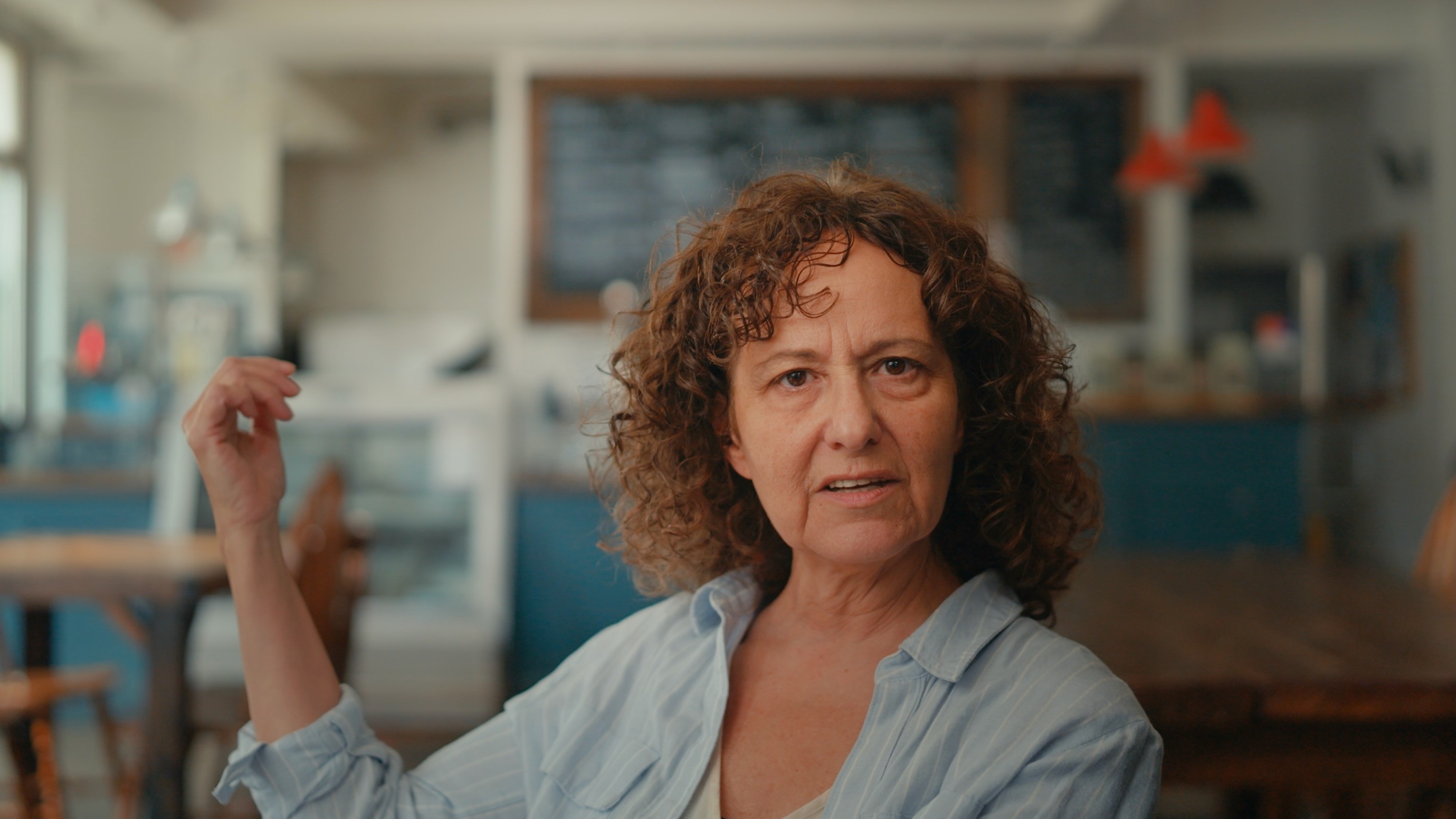
Everyone has their rehearsed version of a story. It’s our job to get beyond that. 

Every project begins with good ol’ fashioned reporting. In-depth conversations, research, listening, site visits, and the kind of relationship building that gets past the prepared answers to something real. We strive to earn people's trust, so what they share with us is something they've never said on camera before. That's when the story reveals itself.

The story worth telling is rarely the obvious one. The right character is almost never who you'd expect. We earned our stripes in newsrooms and by travelling the world.

Finding exceptional stories is what we do. 

JOURNALISM

SCIENCE OF STORYTELLING

FILMMAKING

Everyone has their rehearsed version of a story. It’s our job to get beyond that. 

Every project begins with good ol’ fashioned reporting. In-depth conversations, research, listening, site visits, and the kind of relationship building that gets past the prepared answers to something real. We strive to earn people's trust, so what they share with us is something they've never said on camera before. That's when the story reveals itself.

The story worth telling is rarely the obvious one. The right character is almost never who you'd expect. We earned our stripes in newsrooms and by travelling the world.

Finding exceptional stories is what we do. 

JOURNALISM

SCIENCE OF STORYTELLING

FILMMAKING

Everyone has their rehearsed version of a story. It’s our job to get beyond that. 

Every project begins with good ol’ fashioned reporting. In-depth conversations, research, listening, site visits, and the kind of relationship building that gets past the prepared answers to something real. We strive to earn people's trust, so what they share with us is something they've never said on camera before. That's when the story reveals itself.

The story worth telling is rarely the obvious one. The right character is almost never who you'd expect. We earned our stripes in newsrooms and by travelling the world.

Finding exceptional stories is what we do. 

The science behind why trust and story shape brand value

The science behind why trust and story shape brand value

Trust Shapes Long-Term Brand Performance

What the research shows: Brand trust (defined as confident expectations of reliability and benevolence) is a stronger predictor of customer commitment and repurchase than satisfaction alone, particularly in high-involvement categories where stakes, complexity, or personal relevance are high.

Why this matters: Loyalty compounds. Brands that earn trust are more resilient to disruption, price pressure, and competition. Storytelling engineered around trust mechanics (showing consistent performance under pressure, documenting how a brand responds when things go wrong) delivers longer-tail ROI than awareness-focused campaigns, because it builds the attitudinal loyalty that protects market share over time.

Source: Journal of Marketing

Trust Determines Whether People Buy

What the research shows: Eighty-one percent of consumers say that being able to trust a brand to do what is right is a deal-breaker or deciding factor in their purchase decision, on par with quality, convenience, and value.

Why this matters: Trust is not a post-purchase benefit. It is a prerequisite for consumer consideration and an essential metric to invest in and measure.

Source: Edelman Trust Barometer Special Report

Authenticity Is What Creates Trust

What the research shows: Consumers assess brand authenticity across four dimensions (credibility, integrity, symbolism, and continuity) and those perceptions directly drive emotional brand attachment, word of mouth, and brand choice. Brands perceived as authentic are seen as faithful to themselves, true to their consumers, and capable of helping consumers be true to themselves.

Why this matters: Authenticity is not a buzzword. It is a measurable construct with a validated scale and serves as the mechanism through which trust is built. For brands investing in storytelling, this means the story must be credible, consistent, values-driven, and meaningful, not just well-produced. Documentary storytelling is uniquely suited to deliver on all four dimensions because it captures what is real rather than manufacturing what is aspirational.

Source: Journal of Consumer Psychology: Brand Authenticity

Stories Synchronize the Brains of Storyteller and Audience

What the research shows: Using fMRI, Princeton researchers found that during natural storytelling, the listener's brain activity mirrors the speaker's across wide regions of the cortex. The stronger this neural coupling, the better the comprehension and memory. When communication fails, the coupling vanishes.

Why this matters: Storytelling is not a metaphor for connection. It is the literal mechanism by which one brain transfers patterns to another. This is what makes narrative the most powerful communication format available, and why brands that tell real stories, with real people, create deeper and more durable audience relationships than those that rely on conventional advertising.

Source: Proceedings of the National Academy of Sciences

Storytelling Activates the Biology of Trust

What the research shows: Character-driven narratives trigger oxytocin release, a neurochemical associated with trust, empathy, and social bonding.

Why this matters: Trust is not only cognitive. It is biological. Storytelling is how we are wired to communicate information, and a character-based narrative is the most effective vehicle for the information you want to convey.

Source: Cerebrum: The Dana Forum on Brain Science

Story-Driven Brands Become Part of How People See Themselves

What the research shows: Narrative processing creates and strengthens self-brand connections, the extent to which consumers incorporate a brand into their own self-concept. When people process a narrative ad, they map the incoming story onto their own memories and identity, creating a link between the brand and the self that drives brand attitudes and purchase intent.

Why this matters: The brands that last are the ones people see as part of who they are. Stories are the mechanism through which that happens. A brand that tells its story through real human experience gives the audience something to see themselves in, and that connection is what turns consideration into loyalty and loyalty into advocacy.

Source: Journal of Consumer Psychology: Narrative Processing

Trust Shapes Long-Term Brand Performance

What the research shows: Brand trust (defined as confident expectations of reliability and benevolence) is a stronger predictor of customer commitment and repurchase than satisfaction alone, particularly in high-involvement categories where stakes, complexity, or personal relevance are high.

Why this matters: Loyalty compounds. Brands that earn trust are more resilient to disruption, price pressure, and competition. Storytelling engineered around trust mechanics (showing consistent performance under pressure, documenting how a brand responds when things go wrong) delivers longer-tail ROI than awareness-focused campaigns, because it builds the attitudinal loyalty that protects market share over time.

Source: Journal of Marketing

Trust Determines Whether People Buy

What the research shows: Eighty-one percent of consumers say that being able to trust a brand to do what is right is a deal-breaker or deciding factor in their purchase decision, on par with quality, convenience, and value.

Why this matters: Trust is not a post-purchase benefit. It is a prerequisite for consumer consideration and an essential metric to invest in and measure.

Source: Edelman Trust Barometer Special Report

Authenticity Is What Creates Trust

What the research shows: Consumers assess brand authenticity across four dimensions (credibility, integrity, symbolism, and continuity) and those perceptions directly drive emotional brand attachment, word of mouth, and brand choice. Brands perceived as authentic are seen as faithful to themselves, true to their consumers, and capable of helping consumers be true to themselves.

Why this matters: Authenticity is not a buzzword. It is a measurable construct with a validated scale and serves as the mechanism through which trust is built. For brands investing in storytelling, this means the story must be credible, consistent, values-driven, and meaningful, not just well-produced. Documentary storytelling is uniquely suited to deliver on all four dimensions because it captures what is real rather than manufacturing what is aspirational.

Source: Journal of Consumer Psychology: Brand Authenticity

Stories Synchronize the Brains of Storyteller and Audience

What the research shows: Using fMRI, Princeton researchers found that during natural storytelling, the listener's brain activity mirrors the speaker's across wide regions of the cortex. The stronger this neural coupling, the better the comprehension and memory. When communication fails, the coupling vanishes.

Why this matters: Storytelling is not a metaphor for connection. It is the literal mechanism by which one brain transfers patterns to another. This is what makes narrative the most powerful communication format available, and why brands that tell real stories, with real people, create deeper and more durable audience relationships than those that rely on conventional advertising.

Source: Proceedings of the National Academy of Sciences

Storytelling Activates the Biology of Trust

What the research shows: Character-driven narratives trigger oxytocin release, a neurochemical associated with trust, empathy, and social bonding.

Why this matters: Trust is not only cognitive. It is biological. Storytelling is how we are wired to communicate information, and a character-based narrative is the most effective vehicle for the information you want to convey.

Source: Cerebrum: The Dana Forum on Brain Science

Story-Driven Brands Become Part of How People See Themselves

What the research shows: Narrative processing creates and strengthens self-brand connections, the extent to which consumers incorporate a brand into their own self-concept. When people process a narrative ad, they map the incoming story onto their own memories and identity, creating a link between the brand and the self that drives brand attitudes and purchase intent.

Why this matters: The brands that last are the ones people see as part of who they are. Stories are the mechanism through which that happens. A brand that tells its story through real human experience gives the audience something to see themselves in, and that connection is what turns consideration into loyalty and loyalty into advocacy.

Source: Journal of Consumer Psychology: Narrative Processing

Trust Shapes Long-Term Brand Performance

What the research shows: Brand trust (defined as confident expectations of reliability and benevolence) is a stronger predictor of customer commitment and repurchase than satisfaction alone, particularly in high-involvement categories where stakes, complexity, or personal relevance are high.

Why this matters: Loyalty compounds. Brands that earn trust are more resilient to disruption, price pressure, and competition. Storytelling engineered around trust mechanics (showing consistent performance under pressure, documenting how a brand responds when things go wrong) delivers longer-tail ROI than awareness-focused campaigns, because it builds the attitudinal loyalty that protects market share over time.

Source: Journal of Marketing

Trust Determines Whether People Buy

What the research shows: Eighty-one percent of consumers say that being able to trust a brand to do what is right is a deal-breaker or deciding factor in their purchase decision, on par with quality, convenience, and value.

Why this matters: Trust is not a post-purchase benefit. It is a prerequisite for consumer consideration and an essential metric to invest in and measure.

Source: Edelman Trust Barometer Special Report

Authenticity Is What Creates Trust

What the research shows: Consumers assess brand authenticity across four dimensions (credibility, integrity, symbolism, and continuity) and those perceptions directly drive emotional brand attachment, word of mouth, and brand choice. Brands perceived as authentic are seen as faithful to themselves, true to their consumers, and capable of helping consumers be true to themselves.

Why this matters: Authenticity is not a buzzword. It is a measurable construct with a validated scale and serves as the mechanism through which trust is built. For brands investing in storytelling, this means the story must be credible, consistent, values-driven, and meaningful, not just well-produced. Documentary storytelling is uniquely suited to deliver on all four dimensions because it captures what is real rather than manufacturing what is aspirational.

Source: Journal of Consumer Psychology: Brand Authenticity

Stories Synchronize the Brains of Storyteller and Audience

What the research shows: Using fMRI, Princeton researchers found that during natural storytelling, the listener's brain activity mirrors the speaker's across wide regions of the cortex. The stronger this neural coupling, the better the comprehension and memory. When communication fails, the coupling vanishes.

Why this matters: Storytelling is not a metaphor for connection. It is the literal mechanism by which one brain transfers patterns to another. This is what makes narrative the most powerful communication format available, and why brands that tell real stories, with real people, create deeper and more durable audience relationships than those that rely on conventional advertising.

Source: Proceedings of the National Academy of Sciences

Storytelling Activates the Biology of Trust

What the research shows: Character-driven narratives trigger oxytocin release, a neurochemical associated with trust, empathy, and social bonding.

Why this matters: Trust is not only cognitive. It is biological. Storytelling is how we are wired to communicate information, and a character-based narrative is the most effective vehicle for the information you want to convey.

Source: Cerebrum: The Dana Forum on Brain Science

Story-Driven Brands Become Part of How People See Themselves

What the research shows: Narrative processing creates and strengthens self-brand connections, the extent to which consumers incorporate a brand into their own self-concept. When people process a narrative ad, they map the incoming story onto their own memories and identity, creating a link between the brand and the self that drives brand attitudes and purchase intent.

Why this matters: The brands that last are the ones people see as part of who they are. Stories are the mechanism through which that happens. A brand that tells its story through real human experience gives the audience something to see themselves in, and that connection is what turns consideration into loyalty and loyalty into advocacy.

Source: Journal of Consumer Psychology: Narrative Processing

Our Story

Our Story

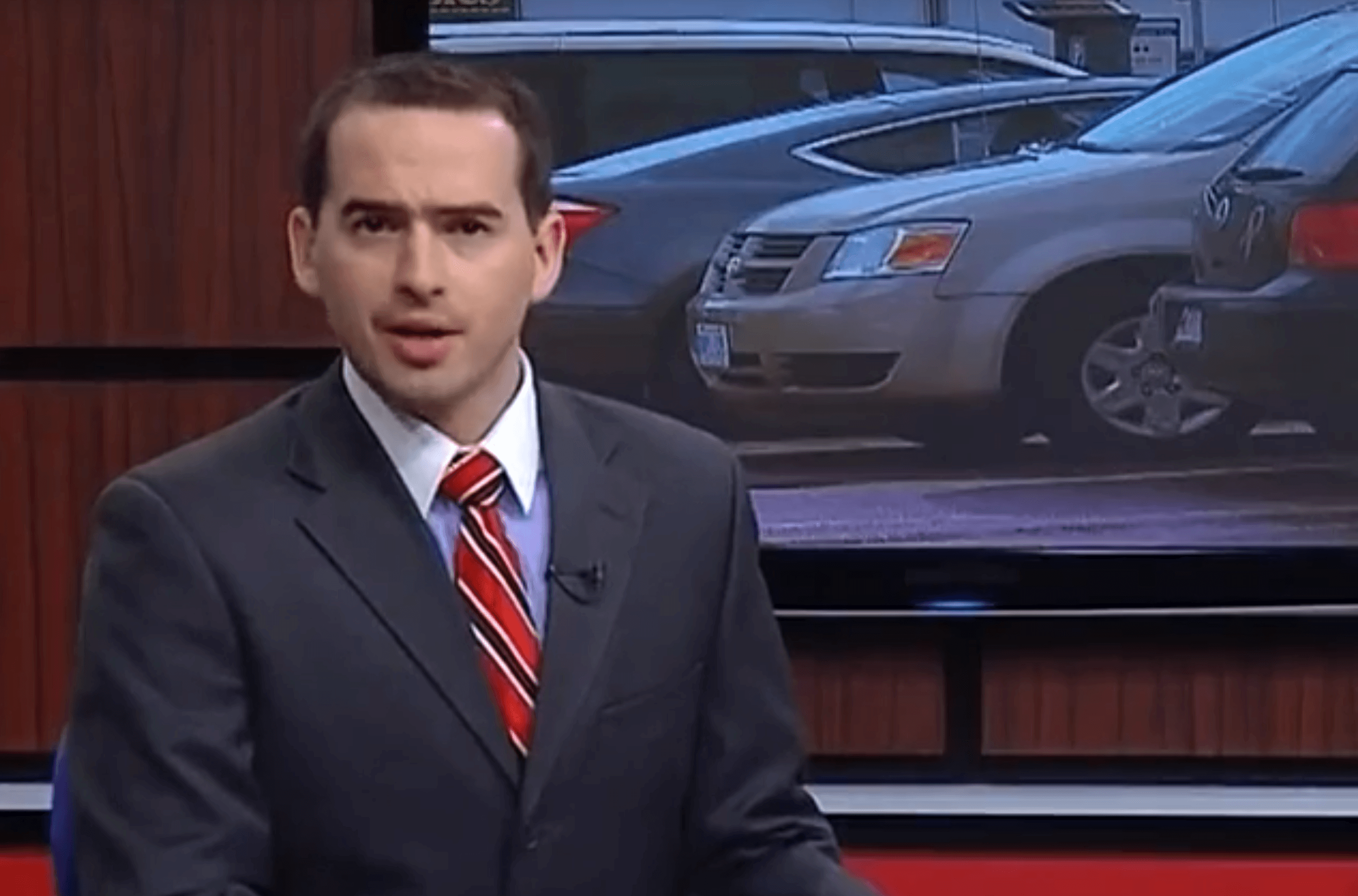
Braden's story starts in the newsroom. CBS, NBC, CBC, CTV. A decade of broadcast journalism, thousands of interviews, and a front-row seat to an industry choosing shock over substance.

The stories that stuck with him were never the polished sound bites. They were the human interest pieces. Someone fighting to educate, or connect, or build something against the odds. The ones with oddly specific, sometimes absurd details that made you stop and say "wait, really?"

Those stories resonated because they were grounded in the mess of actual experience. They made communities stronger. And the newsroom stopped caring about them.

The 24-hour cycle forced local news into scanner chasing. Clicks over connection. Shock over depth. Braden walked away, but the discipline came with him.

Brand building needs the same thing newsrooms abandoned: real people, real stakes, and the patience to let a story reveal itself instead of scripting it. That journalistic instinct (how to listen, when to shut up, how to recognize when something true is happening) is foundational to everything Untold makes.

It turns out that journalistic discipline, combined with the craft of filmmaking and the science of how stories work, can also measurably solve business problems.

Braden's story starts in the newsroom. CBS, NBC, CBC, CTV. A decade of broadcast journalism, thousands of interviews, and a front-row seat to an industry choosing shock over substance.

The stories that stuck with him were never the polished sound bites. They were the human interest pieces. Someone fighting to educate, or connect, or build something against the odds. The ones with oddly specific, sometimes absurd details that made you stop and say "wait, really?"

Those stories resonated because they were grounded in the mess of actual experience. They made communities stronger. And the newsroom stopped caring about them.

The 24-hour cycle forced local news into scanner chasing. Clicks over connection. Shock over depth. Braden walked away, but the discipline came with him.

Brand building needs the same thing newsrooms abandoned: real people, real stakes, and the patience to let a story reveal itself instead of scripting it. That journalistic instinct (how to listen, when to shut up, how to recognize when something true is happening) is foundational to everything Untold makes.

It turns out that journalistic discipline, combined with the craft of filmmaking and the science of how stories work, can also measurably solve business problems.

That's why Untold exists.

Our Team

Recovering journalist. Asks too many questions, talks to strangers everywhere he goes, and believes the best stories come from the most unlikely people in the most unlikely places.

He spent a decade in newsrooms for most of the acronyms like CBS, NBC, CBC, and CTV, where he learned how to listen, when to shut up, and that the industry had stopped caring about the stories worth telling. He left in 2014. Before that, he'd been a three-sport college athlete on scholarship in Kansas, an actor, improviser and comedy producer in Toronto, and a mixologist (which, honestly, might be where the interviewing skills really come from). He's since led documentary work in nearly 30 countries, from NASA's underwater Space Station replica in Houston to remote tribes in Papua New Guinea to a hot-air balloon over the Serengeti (long story).

He's contributed to Forbes on brand storytelling, hosts the Perspectives series with BrandStorytelling.tv, and teaches workshops on narrative strategy. His superpower is closing the gap between what a brand sells and what a human actually feels. His weakness is dessert.

EXECUTIVE DIRECTOR, CREATIVE & PARTNERSHIPS

Braden Dragomir

Salt Spring Island, BC

Executive Producer & Director

Evan Goldsmith

Portland, OR

SENIOR EDITOR

Taylor Leeder

Toronto, ON

Director of Photography

Brody McMaster

Kingston, ON

Our Team

Recovering journalist. Asks too many questions, talks to strangers everywhere he goes, and believes the best stories come from the most unlikely people in the most unlikely places.

He spent a decade in newsrooms for most of the acronyms like CBS, NBC, CBC, and CTV, where he learned how to listen, when to shut up, and that the industry had stopped caring about the stories worth telling. He left in 2014. Before that, he'd been a three-sport college athlete on scholarship in Kansas, an actor, improviser and comedy producer in Toronto, and a mixologist (which, honestly, might be where the interviewing skills really come from). He's since led documentary work in nearly 30 countries, from NASA's underwater Space Station replica in Houston to remote tribes in Papua New Guinea to a hot-air balloon over the Serengeti (long story).

He's contributed to Forbes on brand storytelling, hosts the Perspectives series with BrandStorytelling.tv, and teaches workshops on narrative strategy. His superpower is closing the gap between what a brand sells and what a human actually feels. His weakness is dessert.

EXECUTIVE DIRECTOR, CREATIVE & PARTNERSHIPS

Braden Dragomir

Salt Spring Island, BC

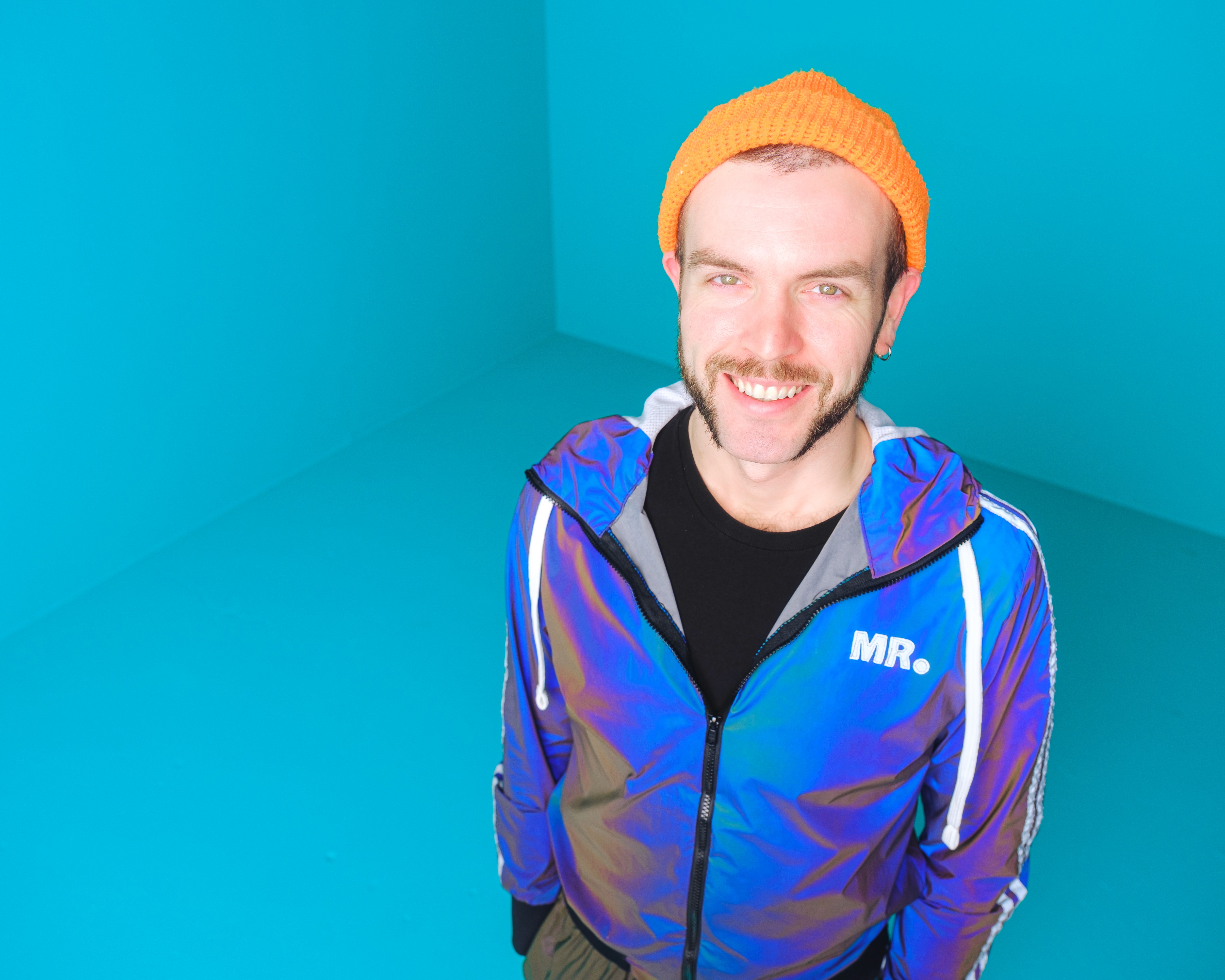
Before she was ever on a film set, Evan was studying earthquake risk in the Himalayas. From earning a Geoscience degree from the University of Oregon,, then teaching English in Japan as a cultural ambassador, then managing one of Portland's landmark restaurants (Papa Haydn — if you know, you know).

None of that sounds like the résumé of someone who'd end up directing and producing complex, character-driven documentaries and story-led campaigns for global brands. But that's exactly what makes her good at it. She's been the person who doesn't speak the language. She's assessed risk in places where getting it wrong has consequences. All of that shows up in how she runs a production: precise when it matters, calm when it's chaos, and fiercely protective of the people doing the work on both sides of the camera.

Her feature credits include the feature documentary The Highest of Stakes (Apple TV, Amazon Prime, Regal theatres nationwide), The Britto Doc (Apple TV, Amazon Prime), Unbecoming (coming to streamers 2026), international brand campaigns, and a keynote titled "All Hustle, No Luck" - an in-depth study of intentional production experience to achieve emotion-lead storytelling. She calls her leadership philosophy radical care. Having worked with her, the team would probably just call it the Evan standard.

Executive Producer & Director

Evan Goldsmith

Portland, OR

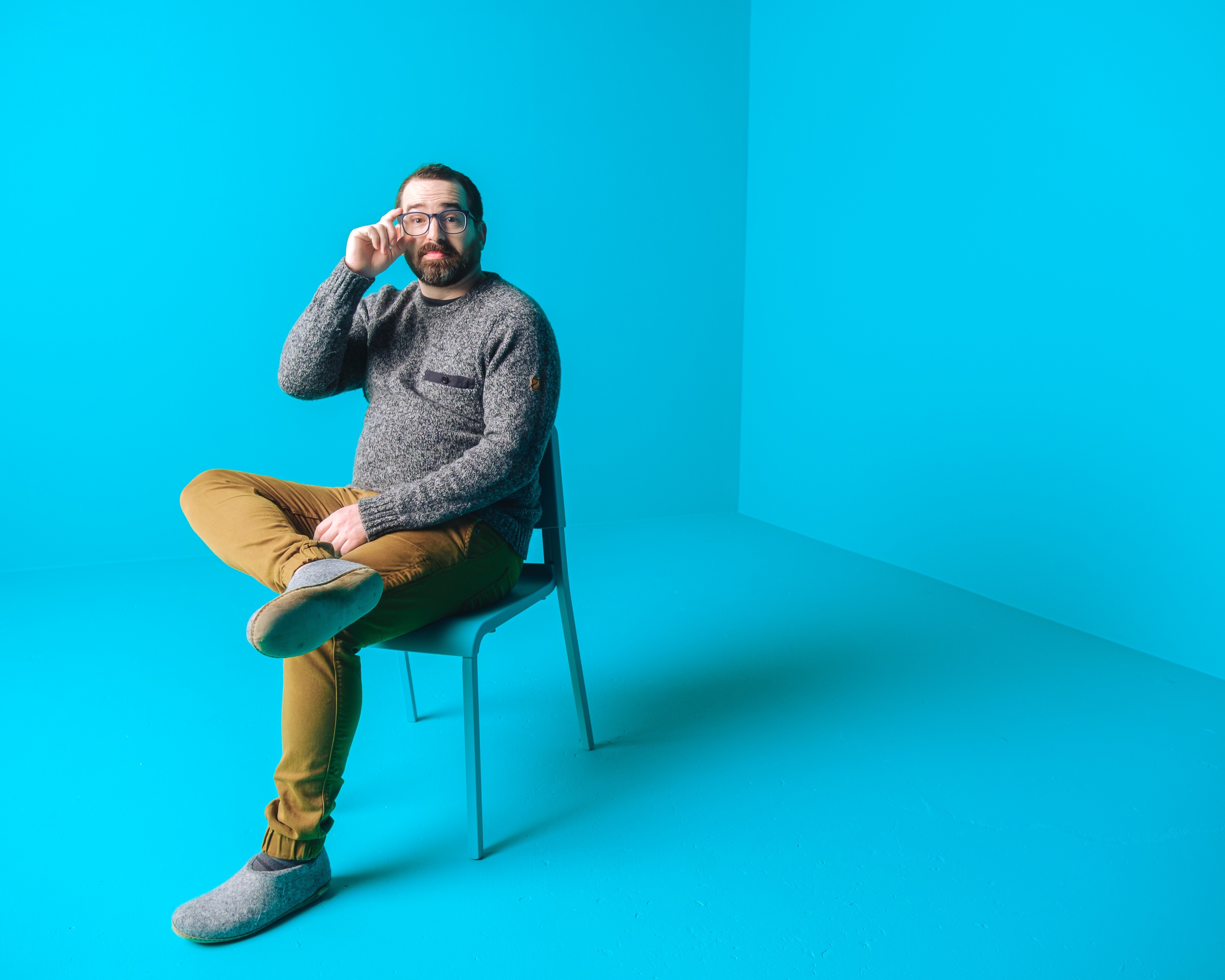
Taylor grew up spending a lot of time behind a keyboard, like the musical one, not an editing timeline. He didn't plan on this. But his experience with rhythm, tension, and release is exactly what documentary editing demands, and most editors spend a career trying to develop what he had on day one.

Before Untold, he worked on a factory line and learned what happens when you treat creative work like assembly: it dies. He's been leading the editorial structure of Untold's work since 2015. He's responsible for every cut, the pacing, the emotional sequencing, the moments where a film earns the audience or loses them. His feel for how sound and image work together to create something neither can alone is what gives Untold's films their texture.

Outside of Untold, he has served on the programming committee of Reelout, Kingston's queer film and video festival, the second-largest in Ontario. His credits also include the feature documentaries, the coming-of-age drama Wallflower (Prime Video, Fuse), and he has cut some of the most-watched music videos for artists like Kasador, The Abrams, and Luella.

SENIOR EDITOR

Taylor Leeder

Toronto, ON

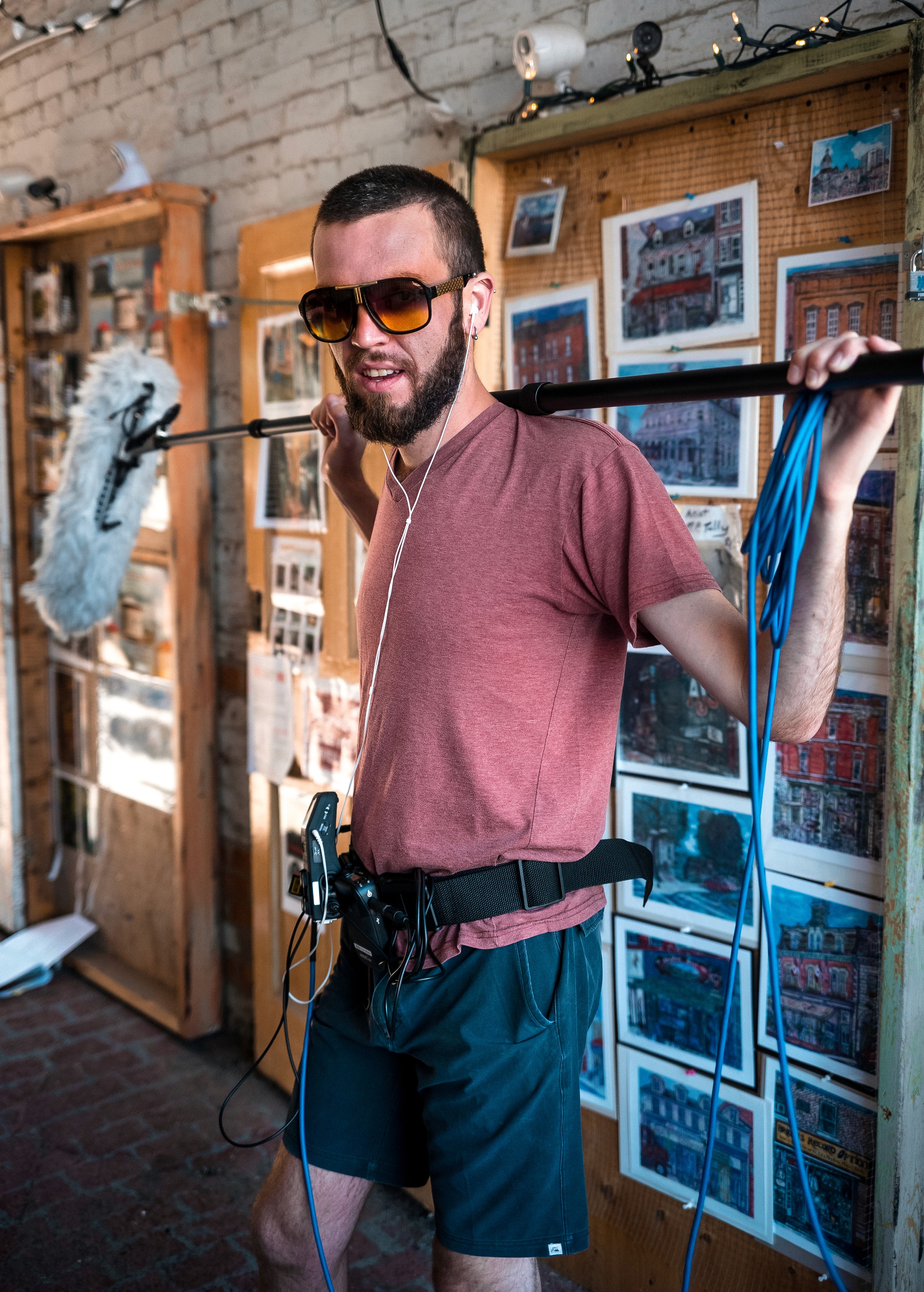
Brody McMaster is a filmmaker whose approach to storytelling was shaped in the kinetic world of action sports. As a professional scooter rider for MADD Gear, he grew up in skateparks where creativity, risk, and community were inseparable. Filming his friends between sessions sparked something. The camera quickly became more than documentation; it became his way of revealing the feeling inside an experience.

That foundation continues to define his cinematography. Brody favours natural light, handheld movement, and an immersive perspective that places the viewer inside the story rather than observing from a distance. He is less interested in spectacle than in resonance, and more interested in creating space for real moments. His work is rooted in the belief that powerful images come from genuine connection to people and place.

Brody brings his human-centred, collaborative spirit to every project. He is drawn to stories of transformation, purpose, and legacy, approaching each film as a relationship built on care and curiosity. The result is a body of work defined by empathy, texture, and movement. Films that don’t just communicate a message, but allow audiences to feel something real.

Director of Photography

Brody McMaster

Kingston, ON

FAQ’S

What is brand storytelling?

Brand storytelling is using narrative structures to create an emotional, values-aligned connection between your audience and your brand. The stories that work are the ones only you can tell and are authentic to how you actually operate, not aspirational claims about who you wish you were.

What is brand-funded documentary?

A brand-funded documentary is a true non-fiction film (short, long, or episodic) created in collaboration between a director or studio and a brand. Typically, the brand funds it, and the filmmakers maintain editorial control to ensure both creative vision and distribution strength through festival and streaming opportunities. The less the brand appears in the film, the more integrity it carries with an audience.

What business problem does brand storytelling actually solve?

It closes the gap between what a brand claims and what an audience believes. Most often, that shows up as commoditized positioning, rising acquisition costs, or recruiting friction.

How do you measure the ROI of documentary storytelling?

It starts with a measurable goal before the cameras turn on. From there, the right research framework depends on the objective and can range from brand consideration lift and sentiment change to completion rates and downstream metrics such as acquisition cost or program applications. For deeper analysis, neurological research partners like Brain Insights and Dr. Paul Zak's Immersion platform can measure how a story is affecting the brain in real time.

How do you balance authenticity with the brand's need to be visible?

The brand is present as the enabler of the story, not the subject of it. The most trusted brand storytelling — YETI, Patagonia, Square — rarely features the product prominently.

Who is this kind of storytelling for?

Any brand where the product is strong, the differentiation is real, and the story hasn't caught up yet. We're vertical-agnostic — financial services, hospitality, technology, nonprofit, consumer goods.

How much creative control does the brand have?

Enough to protect what matters, not enough to script what should be discovered. Brands that need to control the narrative before we find it aren't the right fit.

What do you mean by "real access"?

To do our work well, we have conversations with the actual people, on location, building genuine relationships with them. It’s what allows us to get through the facade, the performance, and the nerves. That's where the story reveals itself.

What does production actually look like once we have a story?

We move through the traditional phases: pre-production (casting, location scouting, scheduling, logistics), production (filming with the people and places the story demands), and post-production (editorial, sound design, colour, score).

Do you work with outside collaborators?

Yes, deliberately on the right projects. We structure each film with the best people for that specific story from our network of cinematographers, sound studios, composers, and distribution partners. The core team stays consistent. The extended team scales to what the work requires.

Do you travel for production?

Very much so. We've produced work in over 30 countries. When we travel, we hire local fixers, production coordinators, and crew from the region who know the culture, the language, and how to move. It makes the work better, and it's the right way to operate.

Can a film work across different channels and formats?

Of course. We talk about distribution from the beginning. Owned platforms, paid media, the festival circuit, streaming, or broadcast are all options to explore, and then build the edit structure to support multiple versions and lengths. A short film typically runs two to six months from discovery through delivery, but can be done shorter or can take longer depending on the subject. A feature or a multi-film series runs longer. Understanding your goals and timelines allows us to build the right project structure for you.
Every project started with the same question: is there a story here worth the audience's time?

These are the ones where the answer was yes.

Every project started with the same question: is there a story here worth the audience's time?

These are the ones where the answer was yes.

Every project started with the same question: is there a story here worth the audience's time?

These are the ones where the answer was yes.

LET’S CONNECT

647-598-8826

hello@untoldstorytelling.com

UNTOLD STORYTELLING, ALL RIGHTS RESERVED ©2026

CREATED BY CANNY

LET’S CONNECT

647-598-8826

hello@untoldstorytelling.com

UNTOLD STORYTELLING, ALL RIGHTS RESERVED ©2026

CREATED BY CANNY

LET’S CONNECT

647-598-8826

hello@untoldstorytelling.com

UNTOLD STORYTELLING, ALL RIGHTS RESERVED ©2026

CREATED BY CANNY