
There is a specific kind of visual fatigue that sets in when a film reaches for its history. You know the moment: the music shifts to a nostalgic track, and a static photograph of a person from thirty years ago begins to slowly, mechanically drift across the screen. | ||
This is the pan and scan, sometimes referred to as “Ken Burns-ing it”. | ||
It has become the default setting for handling archival materials because it is efficient. It "fixes" the problem of having a still image in a moving medium. But efficiency often comes at the cost of intimacy. | ||
When we treat a person's history as a digital file to be manipulated, we also signal to the audience that the past is a museum exhibit. Something to be looked at, but not felt. | ||
History is not a flat file. | ||
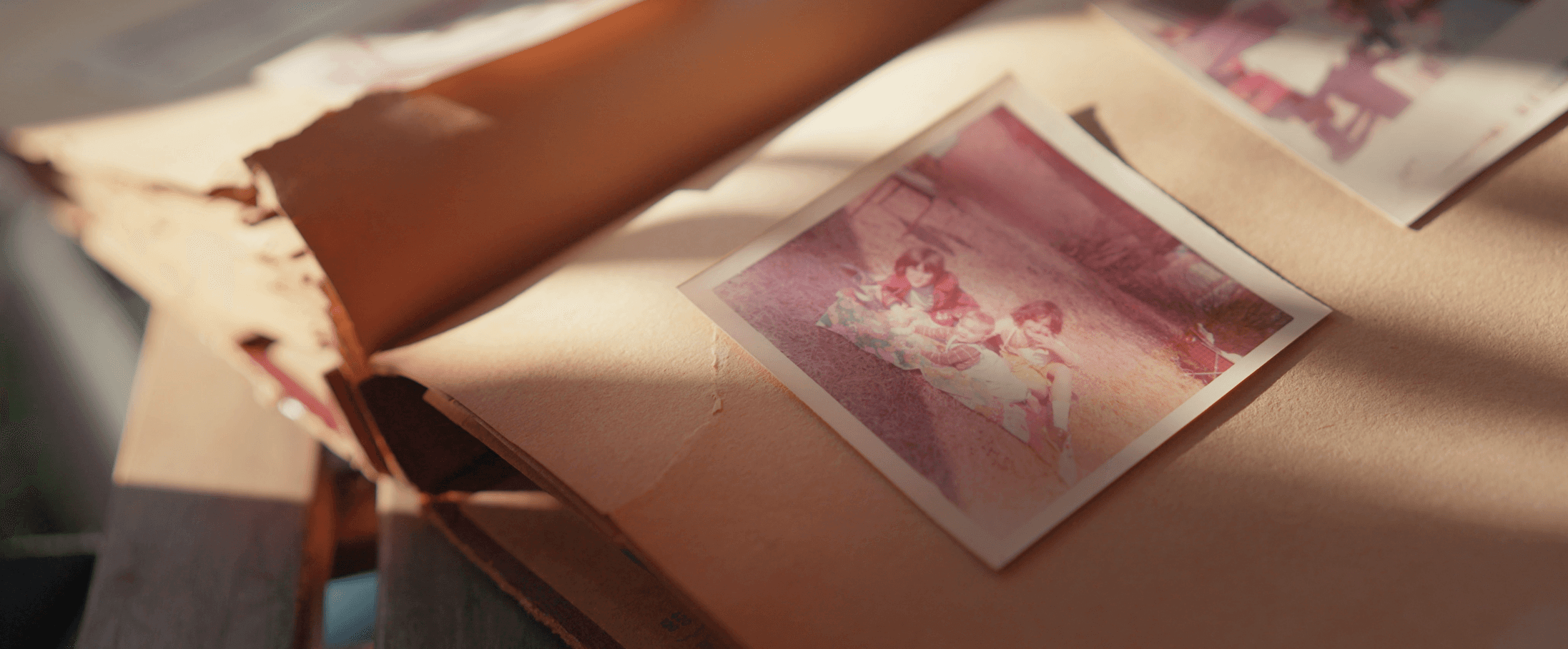
It has physical weight. It is the grit of a carbon copy, the smell of a basement-stored ledger, and the way light catches the silver halide on a 1970s print. | ||
To move an audience, we have to stop treating archival elements as a way to cover the interview and start treating them as characters in the film. | ||
Pan and scan is sterile. A digital zoom into a high-resolution scan is mathematically perfect, but it lacks jitter, texture, and interaction with the world. When we see a digital movement across a photo, our subconscious recognizes the artifice. We are reminded that we are watching a production rather than immersing in a person’s story. | ||
To bridge that gap, we have to bring a character's past into the same physical reality as their present. | ||
Every person has a shoebox, a collection of documents, photos, and artifacts that represent the turning points of their life. In our work, we treat these objects with the same journalistic curiosity we bring to the human subject. | ||
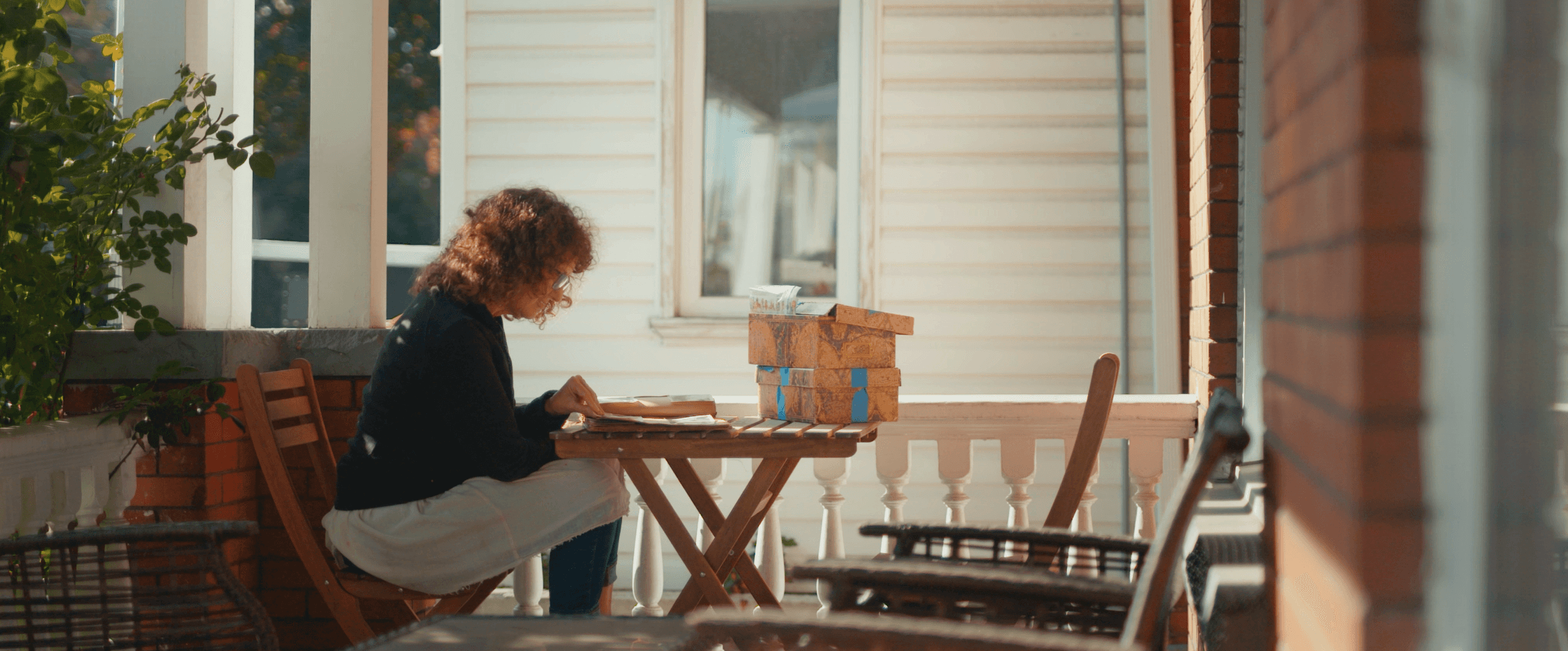 Photo Credit: Untold Storytelling - Dignity at the Table (Meridian Credit Union) | ||
We find that the most telling parts of a document are rarely the typed words. They are the human fingerprints, the coffee ring on a 1984 business plan, the aggressive underlining in the margins of a diary, or the way a photograph has been creased from being carried in a wallet for decades. These are the details that provide continuity. They are evidence of struggle, tension, and human presence. | ||
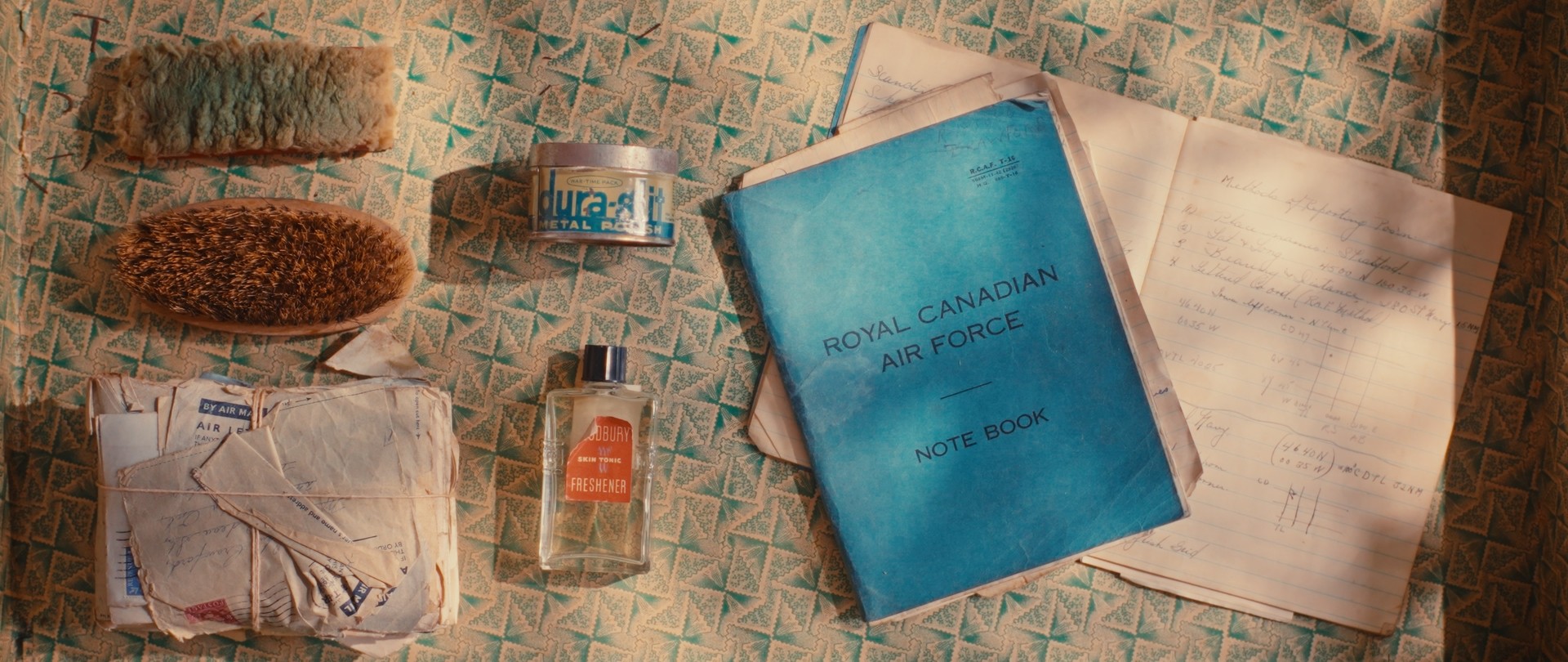 Photo Credit: Braden Dragomir/Brody McMaster - A Century in the Making: The Stu Crawford Story | ||
When we film these elements, we do not scan them. Instead, we print them, light them, and use macro lenses to find the topography of the paper. We might place a character's military medals or faded letters against the weathered backing of a World War II chest, allowing the pattern and texture of the fabric backing to ground the items in their original era. | ||
 Frame from The Common Thread | ||
| ||
 Frame from The Common Thread | ||
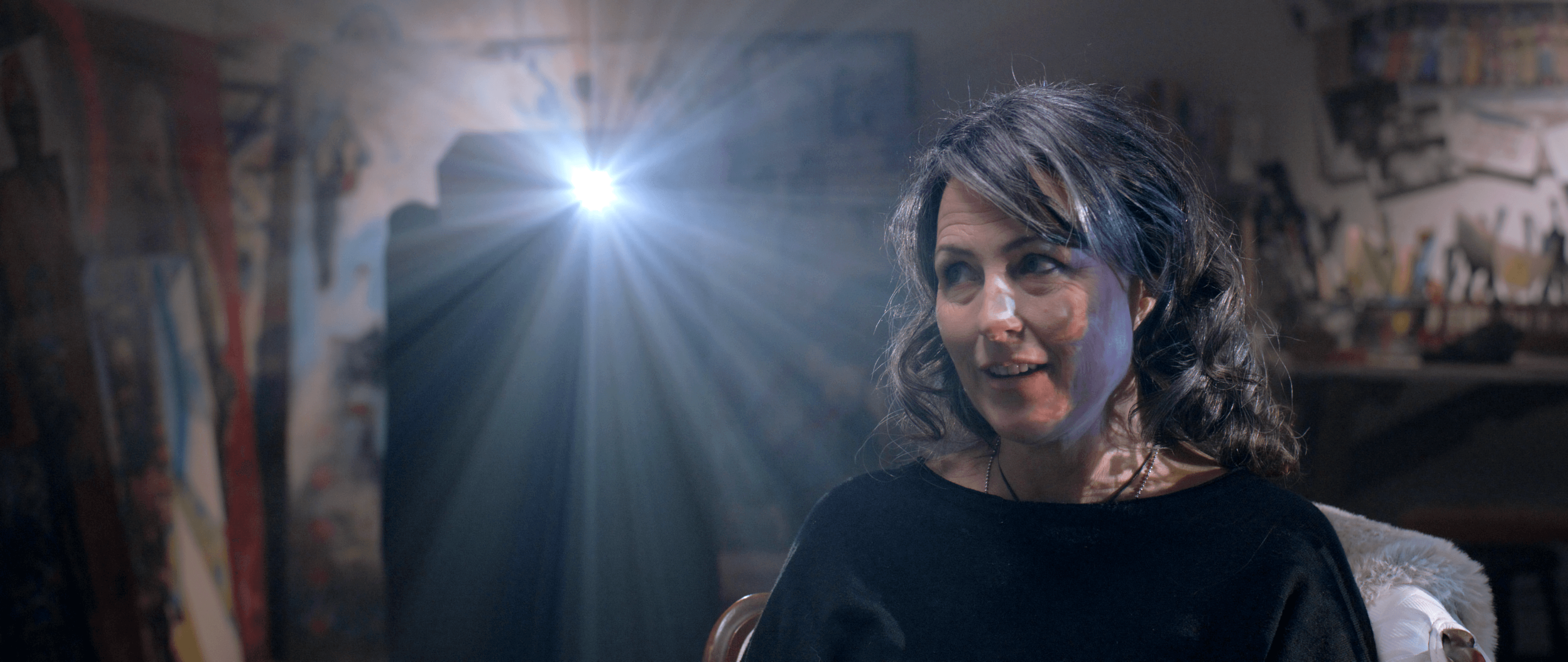
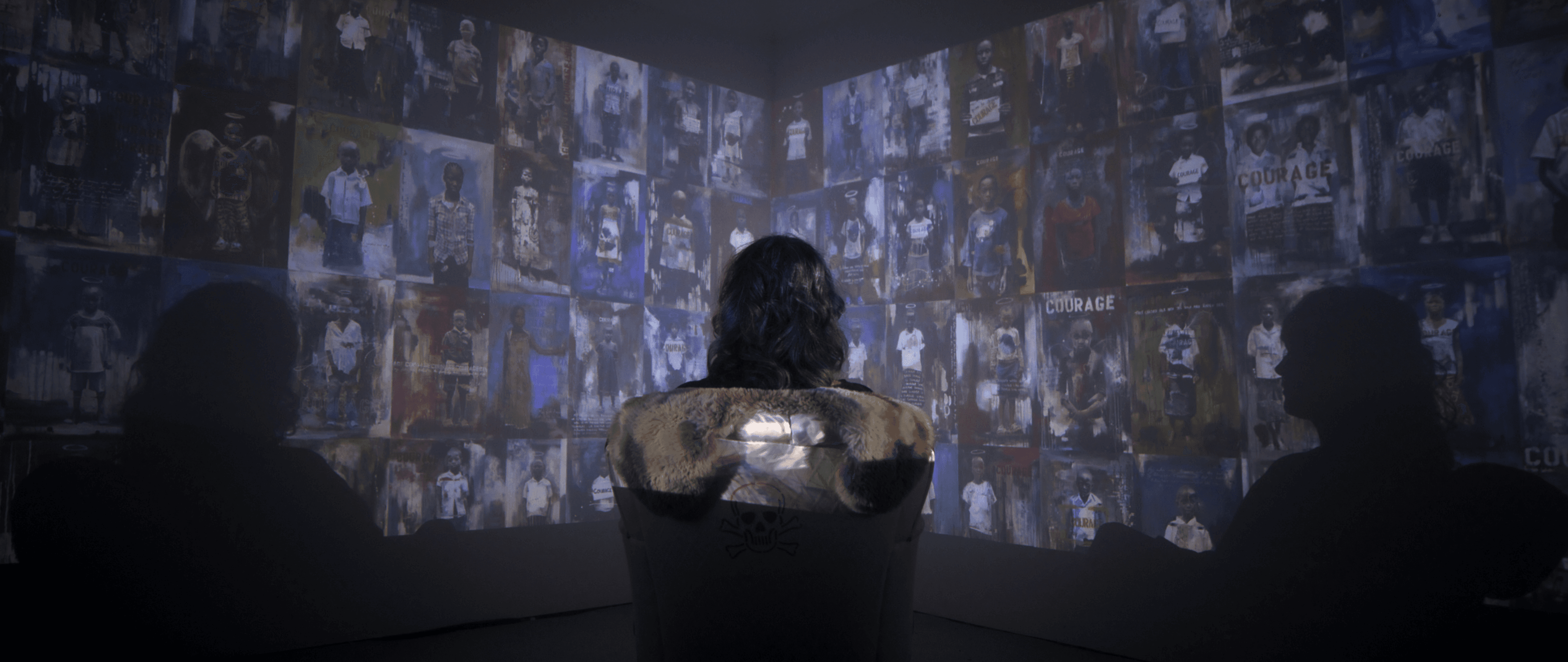
This one got a bit wild because we actually orchestrated an entire 3-hour interview to have something on the walls for her to see. So we’re not only heading the interview, we’re watching her react. Seeing her face illuminated by the colourful light of the projection as she rewatches a moment for the first time in a decade. The memory is no longer trapped in a file. It is in the room, alive in the light on her face and whatever she is about to say. | ||
The people who trust us with their stories are often handing over their most prized possessions. The only surviving photo of a parent, or the original handwritten notes from a moment that changed their life, or their actual chest from World War II. We show up ready to take care of those, both for the story and for our characters. A touch of scienceThere is a reason this works beyond aesthetics. When a hand enters the frame to touch an old photograph, mirror neurons fire. The same mechanism that allows us to feel a character's pain or joy activates when we see tactile interaction with an object. The audience is not just watching someone hold a photograph. Their brain is simulating the weight of it, the texture of the paper, the temperature of the room. That simulation is the difference between observing history and experiencing it. | ||
Trust is built in the details. Those little, distinct human moments. When we show the past as a physical, tangible reality, we give the audience permission to believe in the humanity of the character we are introducing them to. A hand on a photograph. Light through a projector. The topography of a page someone held thirty years ago. That is where history lives. And it’s always a special production day when we get to give it new life. | ||
 |

Author:
Brody McMaster


